
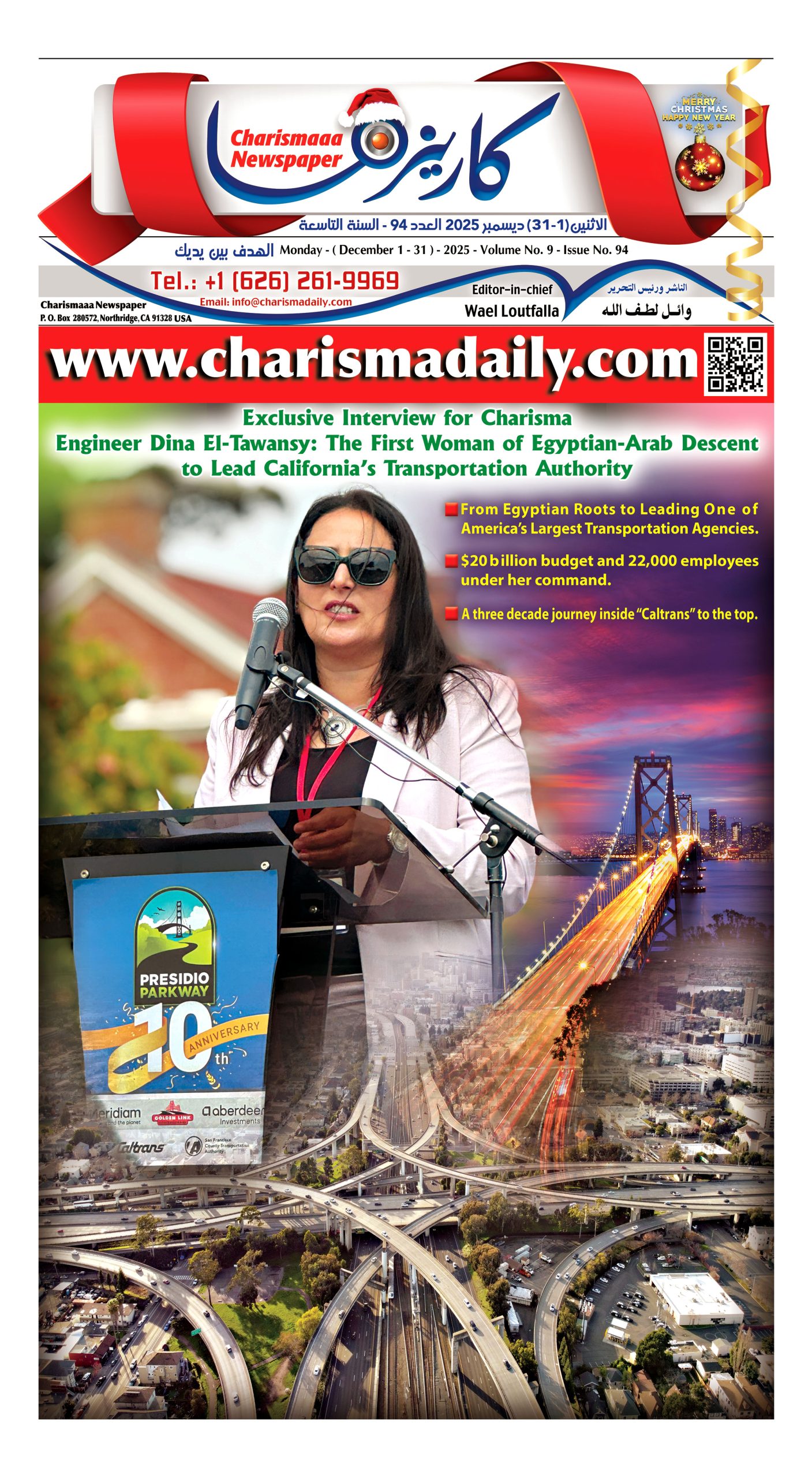
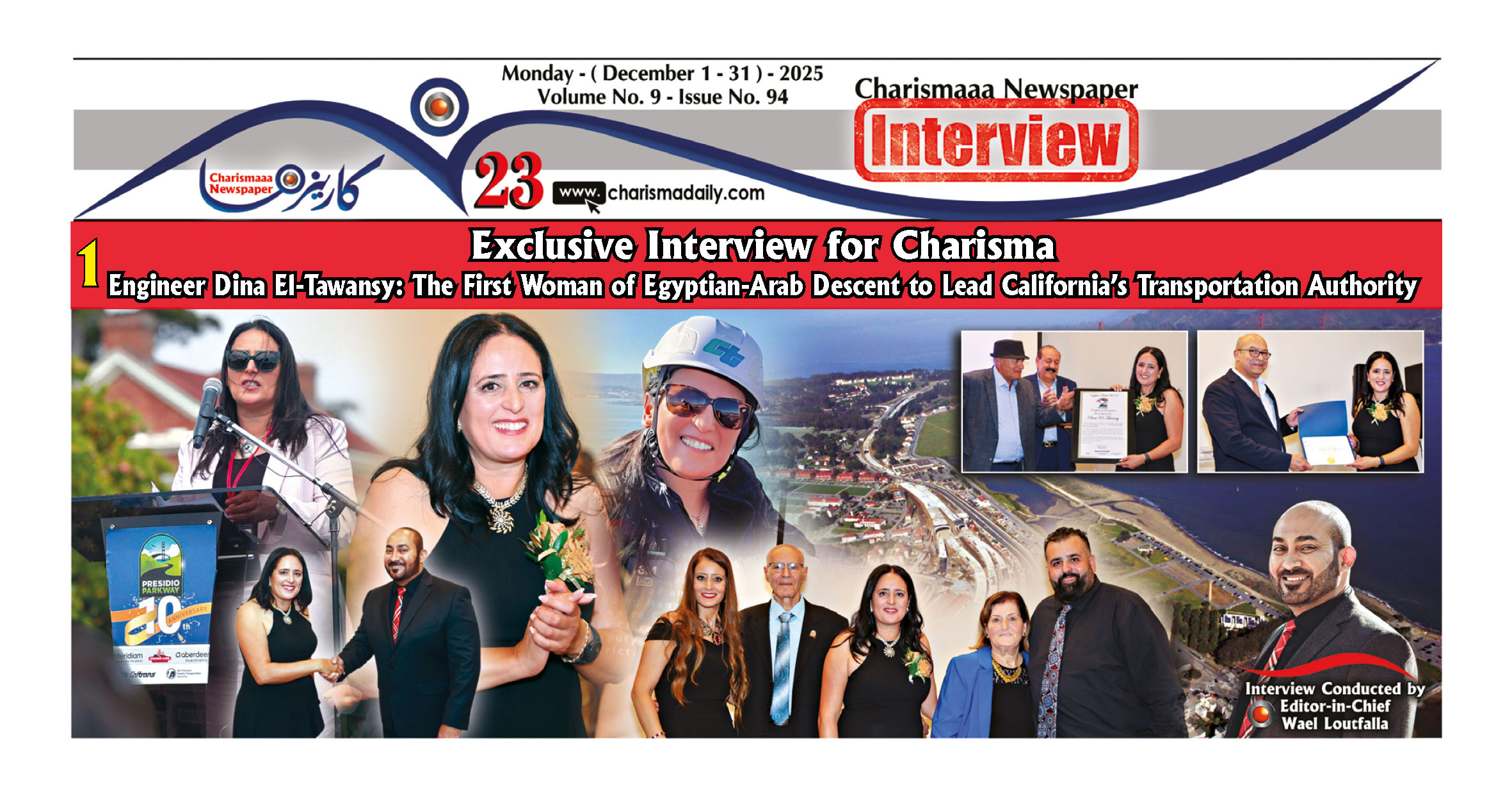
1. Could you share with us your childhood story growing up in an Egyptian-Arab family, how many siblings you had, the age at which you arrived in the United States, and the core values instilled by your parents that shaped the woman you are today?
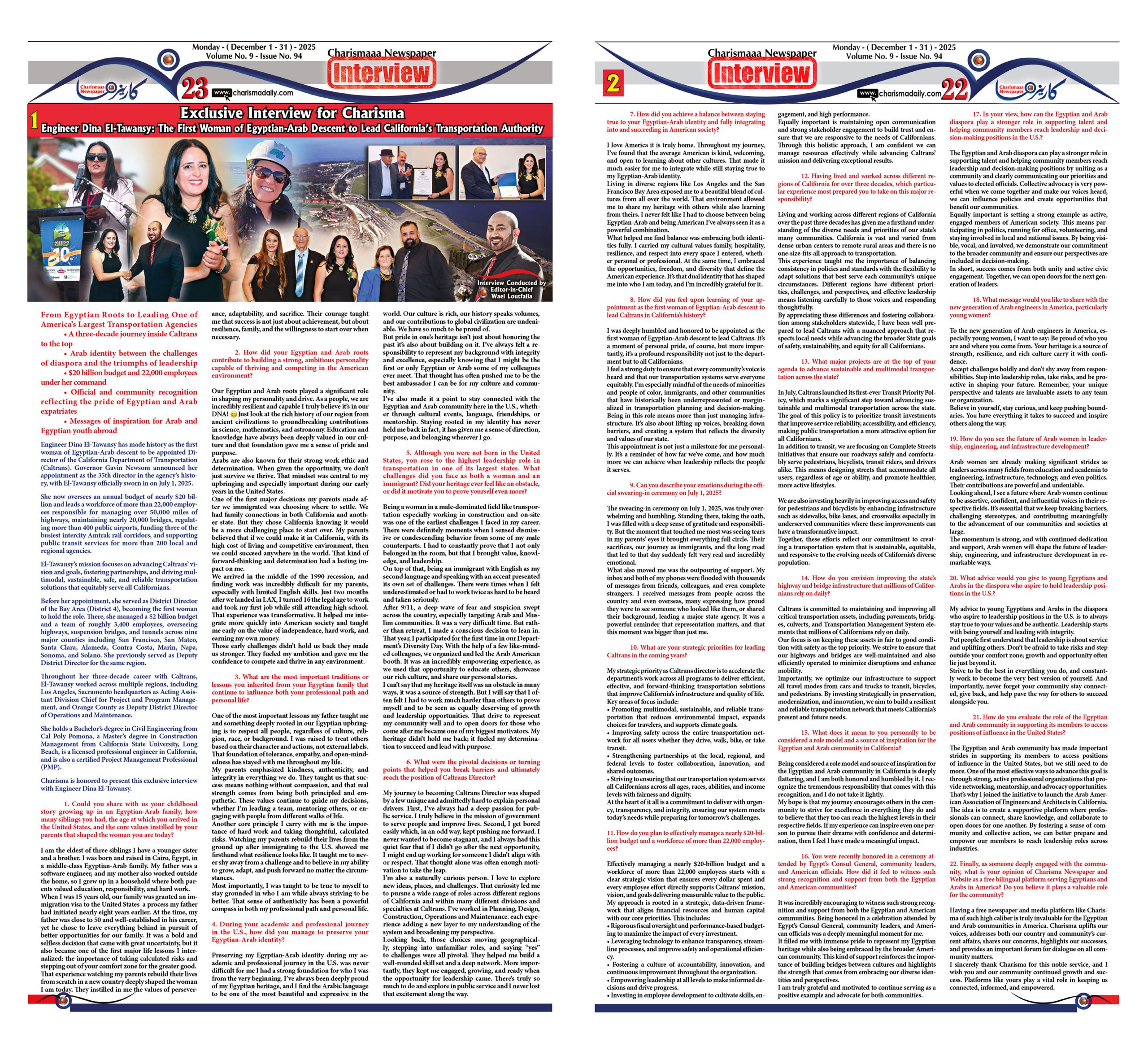
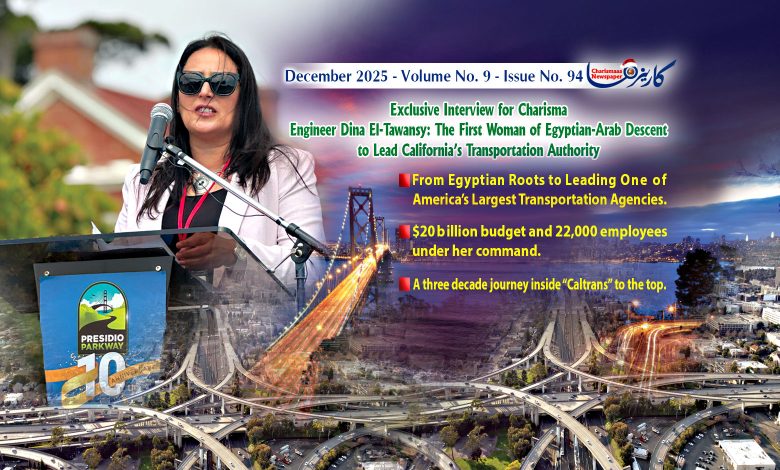
I am the eldest of three siblings I have a younger sister and a brother. I was born and raised in Cairo, Egypt, in a middle-class Egyptian-Arab family. My father was a software engineer, and my mother also worked outside the home, so I grew up in a household where both parents valued education, responsibility, and hard work.
When I was 15 years old, our family was granted an immigration visa to the United States a process my father had initiated nearly eight years earlier. At the time, my father was close to 50 and well-established in his career, yet he chose to leave everything behind in pursuit of better opportunities for our family. It was a bold and selfless decision that came with great uncertainty, but it also became one of the first major life lessons I internalized: the importance of taking calculated risks and stepping out of your comfort zone for the greater good.
That experience watching my parents rebuild their lives from scratch in a new country deeply shaped the woman I am today. They instilled in me the values of perseverance, adaptability, and sacrifice. Their courage taught me that success is not just about achievement, but about resilience, family, and the willingness to start over when necessary.
2. How did your Egyptian and Arab roots contribute to building a strong, ambitious personality capable of thriving and competing in the American environment?
Our Egyptian and Arab roots played a significant role in shaping my personality and drive. As a people, we are incredibly resilient and capable I truly believe it’s in our DNA! 😊 Just look at the rich history of our region from ancient civilizations to groundbreaking contributions in science, mathematics, and astronomy. Education and knowledge have always been deeply valued in our culture and that foundation gave me a sense of pride and purpose.
Arabs are also known for their strong work ethic and determination. When given the opportunity, we don’t just survive we thrive. That mindset was central to my upbringing and especially important during our early years in the United States.
One of the first major decisions my parents made after we immigrated was choosing where to settle. We had family connections in both California and another state. But they chose California knowing it would be a more challenging place to start over. My parents believed that if we could make it in California, with its high cost of living and competitive environment, then we could succeed anywhere in the world. That kind of forward-thinking and determination had a lasting impact on me.
We arrived in the middle of the 1990 recession, and finding work was incredibly difficult for my parents, especially with limited English skills. Just two months after we landed in LAX, I turned 16 the legal age to work and took my first job while still attending high school. That experience was transformative. It helped me integrate more quickly into American society and taught me early on the value of independence, hard work, and earning my own money.
Those early challenges didn’t hold us back they made us stronger. They fueled my ambition and gave me the confidence to compete and thrive in any environment.
3. What are the most important traditions or lessons you inherited from your Egyptian family that continue to influence both your professional path and personal life?
One of the most important lessons my father taught me and something deeply rooted in our Egyptian upbringing is to respect all people, regardless of culture, religion, race, or background. I was raised to treat others based on their character and actions, not external labels. That foundation of tolerance, empathy, and open-mindedness has stayed with me throughout my life.
My parents emphasized kindness, authenticity, and integrity in everything we do. They taught us that success means nothing without compassion, and that real strength comes from being both principled and empathetic. These values continue to guide my decisions, whether I’m leading a team, mentoring others, or engaging with people from different walks of life.
Another core principle I carry with me is the importance of hard work and taking thoughtful, calculated risks. Watching my parents rebuild their lives from the ground up after immigrating to the U.S. showed me firsthand what resilience looks like. It taught me to never shy away from a challenge and to believe in my ability to grow, adapt, and push forward no matter the circumstances.
Most importantly, I was taught to be true to myself to stay grounded in who I am while always striving to be better. That sense of authenticity has been a powerful compass in both my professional path and personal life.
4. During your academic and professional journey in the U.S., how did you manage to preserve your Egyptian-Arab identity?
Preserving my Egyptian-Arab identity during my academic and professional journey in the U.S. was never difficult for me I had a strong foundation for who I was from the very beginning. I’ve always been deeply proud of my Egyptian heritage, and I find the Arabic language to be one of the most beautiful and expressive in the world. Our culture is rich, our history speaks volumes, and our contributions to global civilization are undeniable. We have so much to be proud of.
But pride in one’s heritage isn’t just about honoring the past it’s also about building on it. I’ve always felt a responsibility to represent my background with integrity and excellence, especially knowing that I might be the first or only Egyptian or Arab some of my colleagues ever meet. That thought has often pushed me to be the best ambassador I can be for my culture and community.
I’ve also made it a point to stay connected with the Egyptian and Arab community here in the U.S., whether through cultural events, language, friendships, or mentorship. Staying rooted in my identity has never held me back in fact, it has given me a sense of direction, purpose, and belonging wherever I go.
5. Although you were not born in the United States, you rose to the highest leadership role in transportation in one of its largest states. What challenges did you face as both a woman and an immigrant? Did your heritage ever feel like an obstacle, or did it motivate you to prove yourself even more?
Being a woman in a male-dominated field like transportation especially working in construction and on-site was one of the earliest challenges I faced in my career. There were definitely moments when I sensed dismissive or condescending behavior from some of my male counterparts. I had to constantly prove that I not only belonged in the room, but that I brought value, knowledge, and leadership.
On top of that, being an immigrant with English as my second language and speaking with an accent presented its own set of challenges. There were times when I felt underestimated or had to work twice as hard to be heard and taken seriously.
After 9/11, a deep wave of fear and suspicion swept across the country, especially targeting Arab and Muslim communities. It was a very difficult time. But rather than retreat, I made a conscious decision to lean in. That year, I participated for the first time in our Department’s Diversity Day. With the help of a few like-minded colleagues, we organized and led the Arab American booth. It was an incredibly empowering experience, as we used that opportunity to educate others, showcase our rich culture, and share our personal stories.
I can’t say that my heritage itself was an obstacle in many ways, it was a source of strength. But I will say that I often felt I had to work much harder than others to prove myself and to be seen as equally deserving of growth and leadership opportunities. That drive to represent my community well and to open doors for those who come after me became one of my biggest motivators. My heritage didn’t hold me back; it fueled my determination to succeed and lead with purpose.
6. What were the pivotal decisions or turning points that helped you break barriers and ultimately reach the position of Caltrans Director?
My journey to becoming Caltrans Director was shaped by a few unique and admittedly hard to explain personal drivers. First, I’ve always had a deep passion for public service. I truly believe in the mission of government to serve people and improve lives. Second, I get bored easily which, in an odd way, kept pushing me forward. I never wanted to become stagnant, and I always had this quiet fear that if I didn’t go after the next opportunity, I might end up working for someone I didn’t align with or respect. That thought alone was often enough motivation to take the leap.
I’m also a naturally curious person. I love to explore new ideas, places, and challenges. That curiosity led me to pursue a wide range of roles across different regions of California and within many different divisions and specialties at Caltrans. I’ve worked in Planning, Design, Construction, Operations and Maintenance. each experience adding a new layer to my understanding of the system and broadening my perspective.
Looking back, those choices moving geographically, stepping into unfamiliar roles, and saying “yes” to challenges were all pivotal. They helped me build a well-rounded skill set and a deep network. More importantly, they kept me engaged, growing, and ready when the opportunity for leadership came. There’s truly so much to do and explore in public service and I never lost that excitement along the way.
7. How did you achieve a balance between staying true to your Egyptian-Arab identity and fully integrating into and succeeding in American society?
I love America it is truly home. Throughout my journey, I’ve found that the average American is kind, welcoming, and open to learning about other cultures. That made it much easier for me to integrate while still staying true to my Egyptian-Arab identity.
Living in diverse regions like Los Angeles and the San Francisco Bay Area exposed me to a beautiful blend of cultures from all over the world. That environment allowed me to share my heritage with others while also learning from theirs. I never felt like I had to choose between being Egyptian-Arab and being American I’ve always seen it as a powerful combination.
What helped me find balance was embracing both identities fully. I carried my cultural values family, hospitality, resilience, and respect into every space I entered, whether personal or professional. At the same time, I embraced the opportunities, freedom, and diversity that define the American experience. It’s that dual identity that has shaped me into who I am today, and I’m incredibly grateful for it.
8. How did you feel upon learning of your appointment as the first woman of Egyptian-Arab descent to lead Caltrans in California’s history?
I was deeply humbled and honored to be appointed as the first woman of Egyptian-Arab descent to lead Caltrans. It’s a moment of personal pride, of course, but more importantly, it’s a profound responsibility not just to the department but to all Californians.
I feel a strong duty to ensure that every community’s voice is heard and that our transportation systems serve everyone equitably. I’m especially mindful of the needs of minorities and people of color, immigrants, and other communities that have historically been underrepresented or marginalized in transportation planning and decision-making. Being in this role means more than just managing infrastructure. It’s also about lifting up voices, breaking down barriers, and creating a system that reflects the diversity and values of our state.
This appointment is not just a milestone for me personally. It’s a reminder of how far we’ve come, and how much more we can achieve when leadership reflects the people it serves.
9. Can you describe your emotions during the official swearing-in ceremony on July 1, 2025?
The swearing-in ceremony on July 1, 2025, was truly overwhelming and humbling. Standing there, taking the oath, I was filled with a deep sense of gratitude and responsibility. But the moment that touched me most was seeing tears in my parents’ eyes it brought everything full circle. Their sacrifices, our journey as immigrants, and the long road that led to that day suddenly felt very real and incredibly emotional.
What also moved me was the outpouring of support. My inbox and both of my phones were flooded with thousands of messages from friends, colleagues, and even complete strangers. I received messages from people across the country and even overseas, many expressing how proud they were to see someone who looked like them, or shared their background, leading a major state agency. It was a powerful reminder that representation matters, and that this moment was bigger than just me.
10. What are your strategic priorities for leading Caltrans in the coming years?
My strategic priority as Caltrans director is to accelerate the department’s work across all programs to deliver efficient, effective, and forward-thinking transportation solutions that improve California’s infrastructure and quality of life.
Key areas of focus include:
- • Promoting multimodal, sustainable, and reliable transportation that reduces environmental impact, expands choices for travelers, and supports climate goals.
- • Improving safety across the entire transportation network for all users whether they drive, walk, bike, or take transit.
- • Strengthening partnerships at the local, regional, and federal levels to foster collaboration, innovation, and shared outcomes.
- • Striving to ensuring that our transportation system serves all Californians across all ages, races, abilities, and income levels with fairness and dignity.
At the heart of it all is a commitment to deliver with urgency, transparency, and integrity, ensuring our system meets today’s needs while preparing for tomorrow’s challenges.
11. How do you plan to effectively manage a nearly $20-billion budget and a workforce of more than 22,000 employees?
Effectively managing a nearly $20-billion budget and a workforce of more than 22,000 employees starts with a clear strategic vision that ensures every dollar spent and every employee effort directly supports Caltrans’ mission, vision, and goals delivering measurable value to the public.
My approach is rooted in a strategic, data-driven framework that aligns financial resources and human capital with our core priorities. This includes:
- • Rigorous fiscal oversight and performance-based budgeting to maximize the impact of every investment.
- • Leveraging technology to enhance transparency, streamline processes, and improve safety and operational efficiency.
- • Fostering a culture of accountability, innovation, and continuous improvement throughout the organization.
- • Empowering leadership at all levels to make informed decisions and drive progress.
- • Investing in employee development to cultivate skills, engagement, and high performance.
Equally important is maintaining open communication and strong stakeholder engagement to build trust and ensure that we are responsive to the needs of Californians. Through this holistic approach, I am confident we can manage resources effectively while advancing Caltrans’ mission and delivering exceptional results.
12. Having lived and worked across different regions of California for over three decades, which particular experience most prepared you to take on this major responsibility?
Living and working across different regions of California over the past three decades has given me a firsthand understanding of the diverse needs and priorities of our state’s many communities. California is vast and varied from dense urban centers to remote rural areas and there is no one-size-fits-all approach to transportation.
This experience taught me the importance of balancing consistency in policies and standards with the flexibility to adapt solutions that best serve each community’s unique circumstances. Different regions have different priorities, challenges, and perspectives, and effective leadership means listening carefully to those voices and responding thoughtfully.
By appreciating these differences and fostering collaboration among stakeholders statewide, I have been well prepared to lead Caltrans with a nuanced approach that respects local needs while advancing the broader State goals of safety, sustainability, and equity for all Californians.
13. What major projects are at the top of your agenda to advance sustainable and multimodal transportation across the state?
In July, Caltrans launched its first-ever Transit Priority Policy, which marks a significant step toward advancing sustainable and multimodal transportation across the state. The goal of this policy is to prioritize transit investments that improve service reliability, accessibility, and efficiency, making public transportation a more attractive option for all Californians.
In addition to transit, we are focusing on Complete Streets initiatives that ensure our roadways safely and comfortably serve pedestrians, bicyclists, transit riders, and drivers alike. This means designing streets that accommodate all users, regardless of age or ability, and promote healthier, more active lifestyles.
We are also investing heavily in improving access and safety for pedestrians and bicyclists by enhancing infrastructure such as sidewalks, bike lanes, and crosswalks especially in underserved communities where these improvements can have a transformative impact.
Together, these efforts reflect our commitment to creating a transportation system that is sustainable, equitable, and responsive to the evolving needs of California’s diverse population.
14. How do you envision improving the state’s highway and bridge infrastructure that millions of Californians rely on daily?
Caltrans is committed to maintaining and improving all critical transportation assets, including pavements, bridges, culverts, and Transportation Management System elements that millions of Californians rely on daily.
Our focus is on keeping these assets in fair to good condition with safety as the top priority. We strive to ensure that our highways and bridges are well-maintained and also efficiently operated to minimize disruptions and enhance mobility.
Importantly, we optimize our infrastructure to support all travel modes from cars and trucks to transit, bicycles, and pedestrians. By investing strategically in preservation, modernization, and innovation, we aim to build a resilient and reliable transportation network that meets California’s present and future needs.
15. What does it mean to you personally to be considered a role model and a source of inspiration for the Egyptian and Arab community in California?
Being considered a role model and source of inspiration for the Egyptian and Arab community in California is deeply flattering, and I am both honored and humbled by it. I recognize the tremendous responsibility that comes with this recognition, and I do not take it lightly.
My hope is that my journey encourages others in the community to strive for excellence in everything they do and to believe that they too can reach the highest levels in their respective fields. If my experience can inspire even one person to pursue their dreams with confidence and determination, then I feel I have made a meaningful impact.
16. You were recently honored in a ceremony attended by Egypt’s Consul General, community leaders, and American officials. How did it feel to witness such strong recognition and support from both the Egyptian and American communities?
It was incredibly encouraging to witness such strong recognition and support from both the Egyptian and American communities. Being honored in a celebration attended by Egypt’s Consul General, community leaders, and American officials was a deeply meaningful moment for me.
It filled me with immense pride to represent my Egyptian heritage while also being embraced by the broader American community. This kind of support reinforces the importance of building bridges between cultures and highlights the strength that comes from embracing our diverse identities and perspectives.
I am truly grateful and motivated to continue serving as a positive example and advocate for both communities.
17. In your view, how can the Egyptian and Arab diaspora play a stronger role in supporting talent and helping community members reach leadership and decision-making positions in the U.S.?
The Egyptian and Arab diaspora can play a stronger role in supporting talent and helping community members reach leadership and decision-making positions by uniting as a community and clearly communicating our priorities and values to elected officials. Collective advocacy is very powerful when we come together and make our voices heard, we can influence policies and create opportunities that benefit our communities.
Equally important is setting a strong example as active, engaged members of American society. This means participating in politics, running for office, volunteering, and staying involved in local and national issues. By being visible, vocal, and involved, we demonstrate our commitment to the broader community and ensure our perspectives are included in decision-making.
In short, success comes from both unity and active civic engagement. Together, we can open doors for the next generation of leaders.
18. What message would you like to share with the new generation of Arab engineers in America, particularly young women?
To the new generation of Arab engineers in America, especially young women, I want to say: Be proud of who you are and where you come from. Your heritage is a source of strength, resilience, and rich culture carry it with confidence.
Accept challenges boldly and don’t shy away from responsibilities. Step into leadership roles, take risks, and be proactive in shaping your future. Remember, your unique perspective and talents are invaluable assets to any team or organization.
Believe in yourself, stay curious, and keep pushing boundaries. You have everything it takes to succeed and inspire others along the way.
19. How do you see the future of Arab women in leadership, engineering, and infrastructure development?
Arab women are already making significant strides as leaders across many fields from education and academia to engineering, infrastructure, technology, and even politics. Their contributions are powerful and undeniable.
Looking ahead, I see a future where Arab women continue to be assertive, confident, and influential voices in their respective fields. It’s essential that we keep breaking barriers, challenging stereotypes, and contributing meaningfully to the advancement of our communities and societies at large.
The momentum is strong, and with continued dedication and support, Arab women will shape the future of leadership, engineering, and infrastructure development in remarkable ways.
20. What advice would you give to young Egyptians and Arabs in the diaspora who aspire to hold leadership positions in the U.S.?
My advice to young Egyptians and Arabs in the diaspora who aspire to leadership positions in the U.S. is to always stay true to your values and be authentic. Leadership starts with being yourself and leading with integrity.
Put people first understand that leadership is about service and uplifting others. Don’t be afraid to take risks and step outside your comfort zone; growth and opportunity often lie just beyond it.
Strive to be the best in everything you do, and constantly work to become the very best version of yourself. And importantly, never forget your community stay connected, give back, and help pave the way for others to succeed alongside you.
21. How do you evaluate the role of the Egyptian and Arab community in supporting its members to access positions of influence in the United States?
The Egyptian and Arab community has made important strides in supporting its members to access positions of influence in the United States, but we still need to do more. One of the most effective ways to advance this goal is through strong, active professional organizations that provide networking, mentorship, and advocacy opportunities.
That’s why I joined the initiative to launch the Arab American Association of Engineers and Architects in California. The idea is to create a supportive platform where professionals can connect, share knowledge, and collaborate to open doors for one another. By fostering a sense of community and collective action, we can better prepare and empower our members to reach leadership roles across industries.
22. Finally, as someone deeply engaged with the community, what is your opinion of Charisma Newspaper and Website as a free bilingual platform serving Egyptians and Arabs in America? Do you believe it plays a valuable role for the community?
Having a free newspaper and media platform like Charisma of such high caliber is truly invaluable for the Egyptian and Arab communities in America. Charisma uplifts our voices, addresses both our country and community’s current affairs, shares our concerns, highlights our successes, and provides an important forum for dialogue on all community matters.
I sincerely thank Charisma for this noble service, and I wish you and our community continued growth and success. Platforms like yours play a vital role in keeping us connected, informed, and empowered.