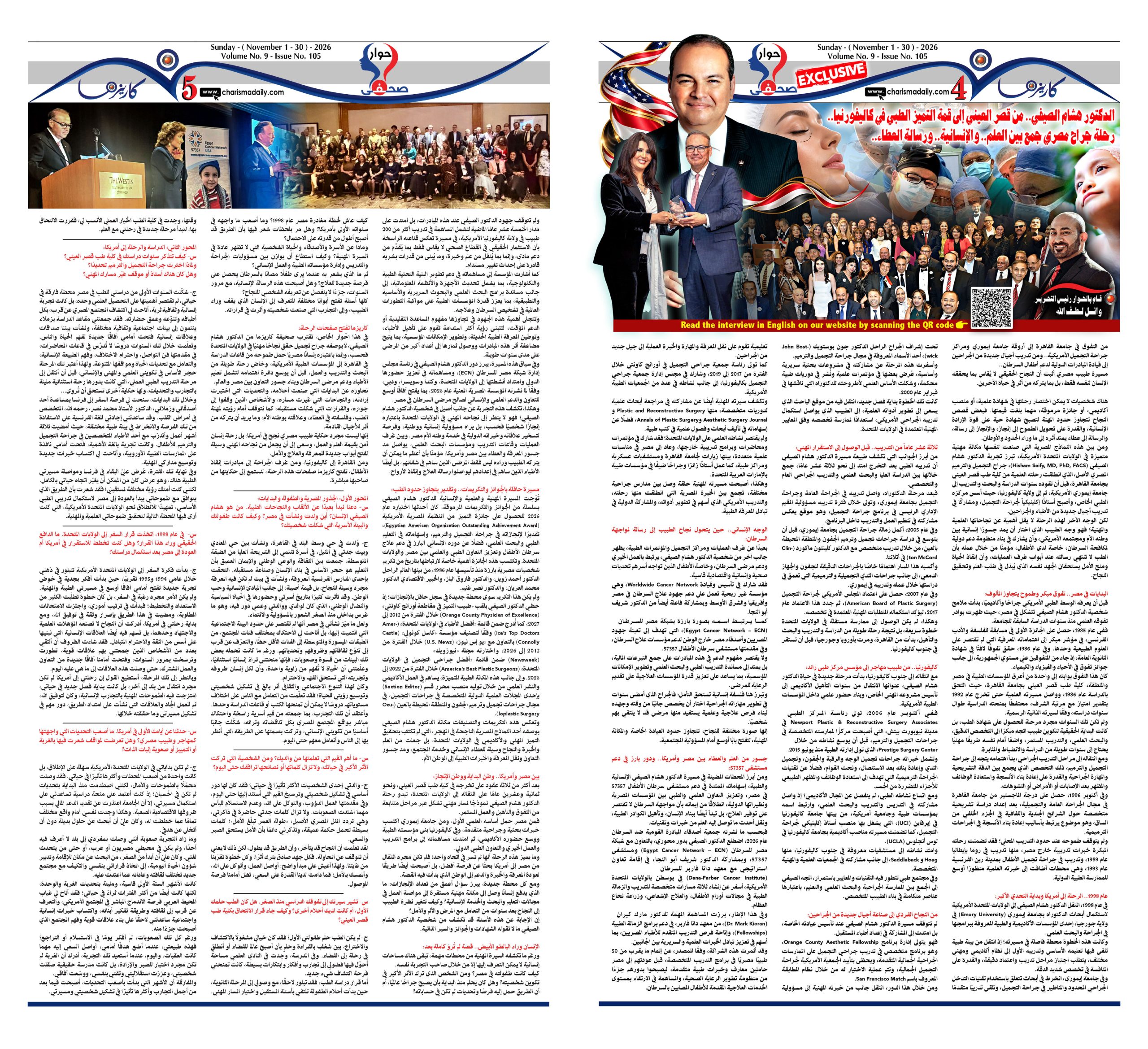

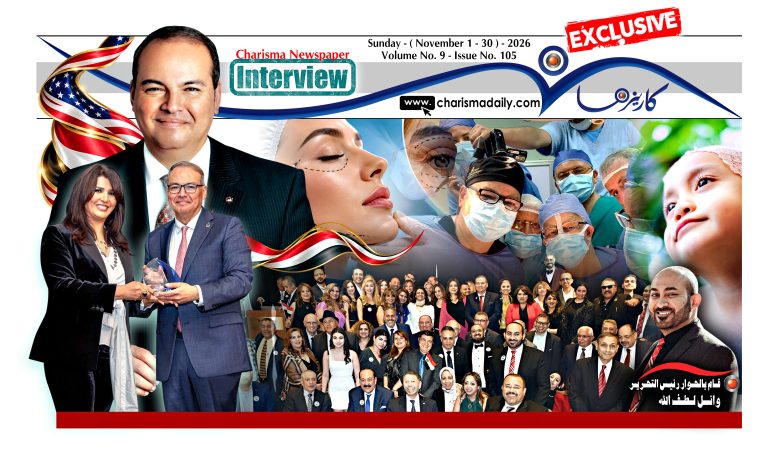
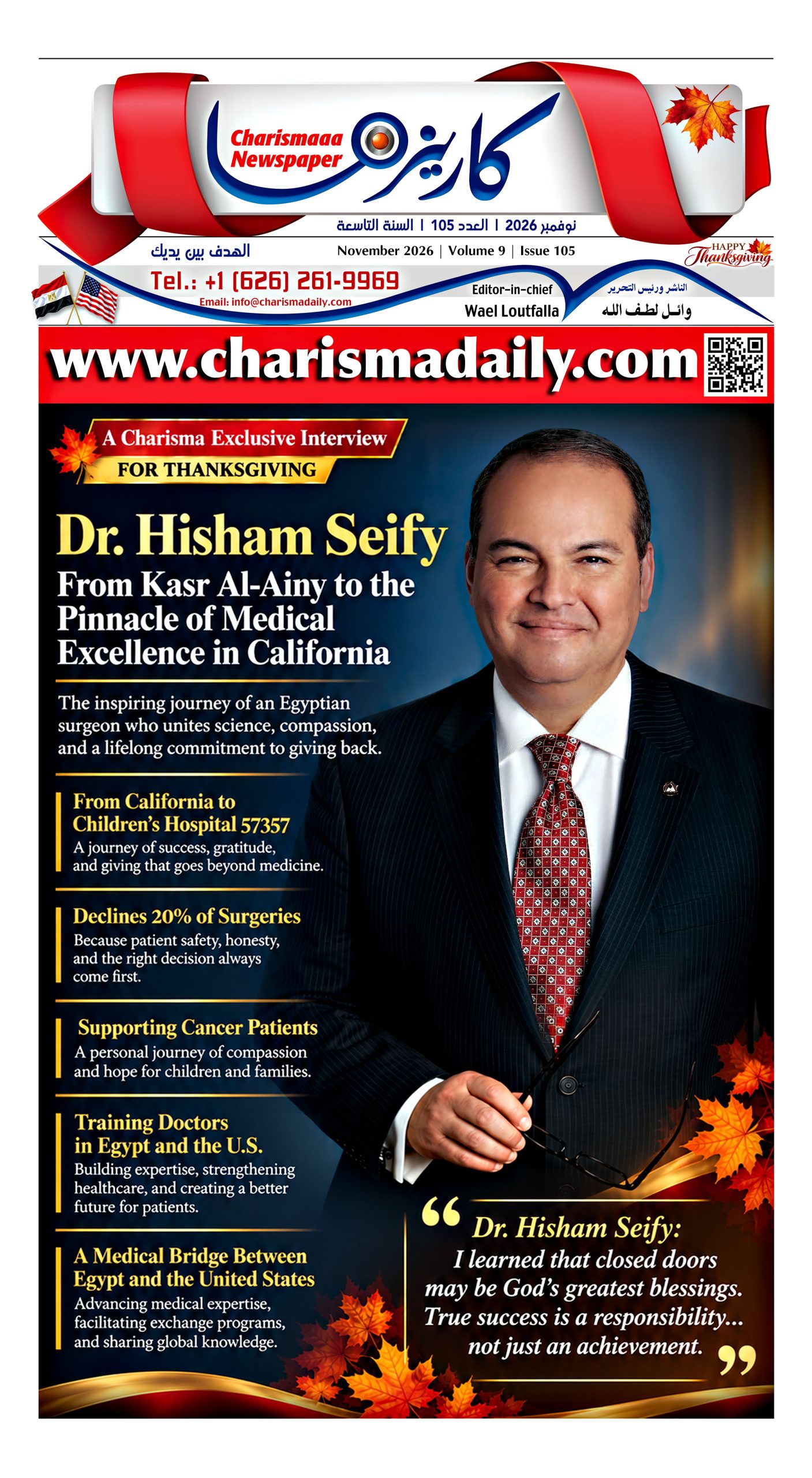
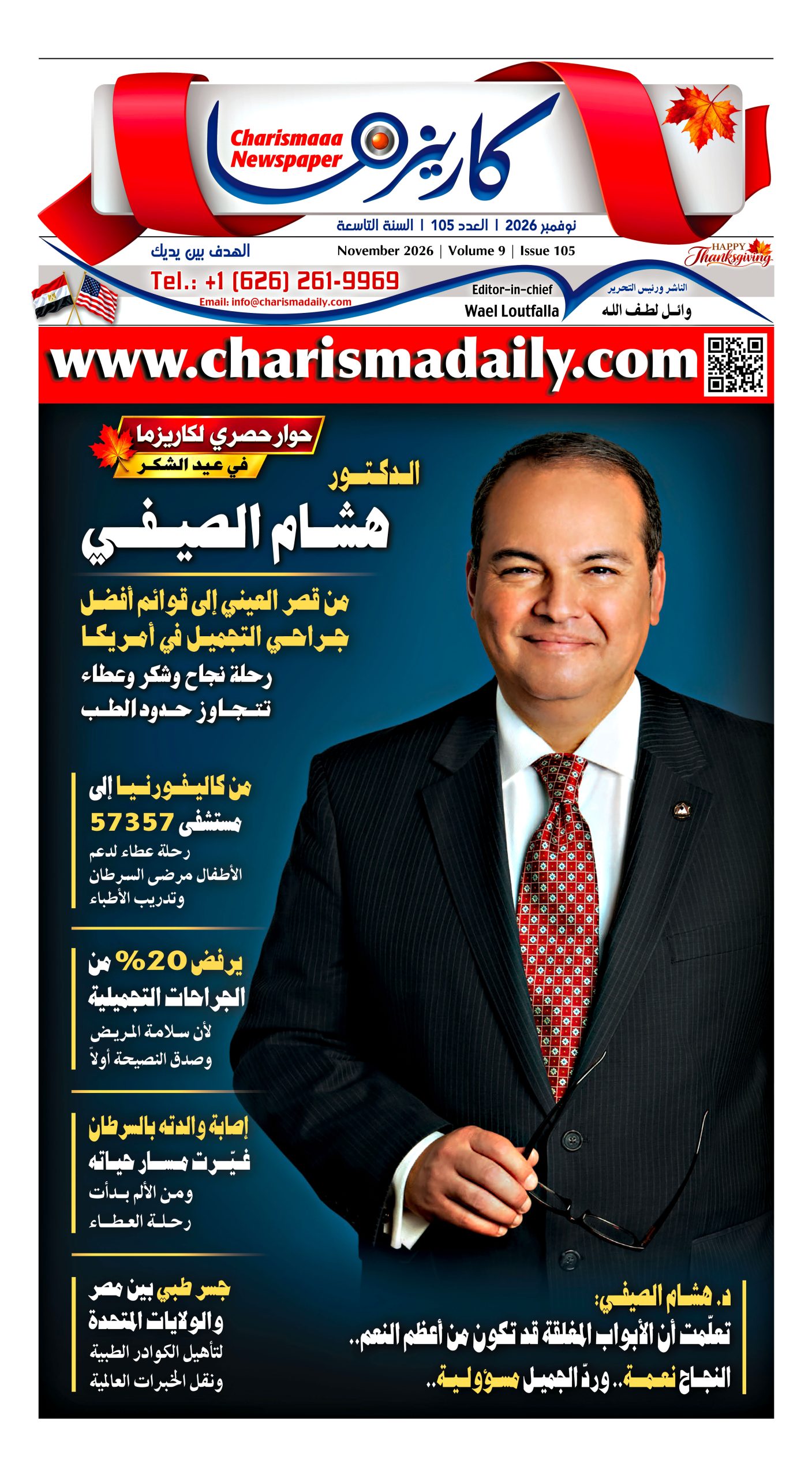
Dr. Hisham Seify: From Kasr Al-Ainy to the Pinnacle of Medical Excellence in California The Inspiring Journey of an Egyptian Surgeon Who United Science, Compassion, and a Lifelong Commitment to Giving Back..
Dr. Hisham Seify Gives Back to His Homeland Through a Mission of Service That Transcends Medicine and Borders An Exclusive Interview with Charisma..
From Kasr Al-Ainy to America’s Top Plastic Surgeons Lists An Egyptian Surgeon’s Journey of Excellence and International Recognition..
He Didn’t Just Build a Successful Career in America He Brought His Expertise and International Connections Back to Egypt to Inspire Hope..
From California to Children’s Cancer Hospital 57357 An Egyptian Surgeon’s Mission to Support Children with Cancer and Train the Next Generation of Physicians..
From academic excellence at Cairo University to the halls of Emory University and leading plastic surgery centers across the United States… From training new generations of surgeons to spearheading international initiatives supporting children battling cancer… This is the remarkable journey of an Egyptian physician who has demonstrated that true success is measured not only by personal achievements, but also by the lasting impact one makes on the lives of others.
Some individuals lead lives that cannot be defined by an academic degree, a prestigious appointment, or a distinguished award, regardless of its significance. Their stories transcend the boundaries of professional accomplishment, becoming powerful testaments to human determination and the extraordinary ability to transform ambition into achievement, achievement into purpose, and purpose into a legacy of giving that reaches far beyond geographical borders.
Among the distinguished Egyptian professionals who have established an exceptional presence in the United States stands Dr. Hisham Seify, MD, PhD, FACS, an Egyptian-born plastic and reconstructive surgeon whose remarkable journey began at Cairo University’s prestigious Kasr Al-Ainy Faculty of Medicine. Years of rigorous education, research, and specialized training subsequently led him to Emory University in the United States and eventually to California, where he established his own medical practice, became a Clinical Professor of Plastic Surgery, and dedicated part of his career to educating and mentoring future generations of physicians and surgeons.
Yet beyond his academic accomplishments and professional success lies an equally compelling dimension of his journey: that of a physician determined to build bridges of compassion and humanitarian cooperation between his Egyptian homeland and his American community. Through his involvement in developing an international network of support in the fight against cancer, particularly childhood cancer, Dr. Seify has demonstrated a profound belief that the mission of medicine extends far beyond the operating room. For him, saving lives, restoring hope, and alleviating human suffering deserve the same unwavering dedication as the pursuit of scientific knowledge and professional excellence.
Early Years in Egypt: Academic Excellence and Ambitions Beyond the Ordinary:
Long before he became recognized in the American medical community as a distinguished surgeon and academic, Dr. Hisham Seify was already laying the foundations of an extraordinary career in his native Egypt, where his exceptional academic abilities became evident well before he entered university.
In 1985, he won first prize in a French philosophy and literature competition, an early reflection of his intellectual curiosity and wide-ranging interests that extended well beyond the natural sciences. The following year, in 1986, he achieved outstanding results in Egypt’s national secondary school examinations, ranking among the country’s top-performing students while also earning academic excellence awards in biology, physics, and chemistry.
These remarkable achievements opened the doors to one of Egypt’s and the Middle East’s most prestigious medical institutions: Kasr Al-Ainy Faculty of Medicine at Cairo University. Enrolling in 1986, Dr. Seify pursued his medical education with exceptional dedication, graduating in 1992 with honors and distinction while maintaining his academic scholarship throughout his six years of study, according to his official curriculum vitae.
Yet those formative years represented far more than the pursuit of a medical degree. They marked the beginning of a lifelong commitment to surgical specialization, scientific research, and continuous professional development. Even at this early stage, Dr. Seify was charting an ambitious career path that would demand years of rigorous training, unwavering discipline, and extraordinary perseverance.
As he progressed through his surgical training, his interests increasingly gravitated toward plastic and reconstructive surgery, a highly specialized field that combines an intricate understanding of human anatomy with exceptional surgical precision and the ability to reconstruct damaged tissues, restore physical function, and improve appearance following injuries, diseases, or congenital deformities.
In October 1996, he earned his master’s degree from Cairo University in General and Plastic Surgery, completing a specialized anatomical research study on fasciocutaneous flaps of the posterior leg. The research addressed an important area of reconstructive surgery, focusing on tissue reconstruction techniques used to repair complex anatomical defects.
But Dr. Seify’s ambitions were never confined to the boundaries of his homeland. His early medical journey also included valuable international training experiences, beginning with a training program in Rome, Italy, in 1989, followed by specialized training in pediatric plastic surgery in Rennes, France, in 1993.
These formative international experiences broadened his medical perspective, exposed him to different surgical approaches and healthcare environments, and helped shape the global outlook that would later become a defining characteristic of his professional career.
1998: The Journey to America and the Beginning of His Greatest Challenge:
In 1998, Dr. Hisham Seify embarked on a defining new chapter in his professional journey, moving to the United States to pursue his doctoral research at Emory University in Georgia, a distinguished academic and medical institution recognized for its programs in surgery and scientific research.
This pivotal transition marked a turning point in his career. Having completed his foundational medical education and early surgical training in Egypt, Dr. Seify now faced the challenge of adapting to an entirely different academic and healthcare system—one characterized by rigorous training requirements, demanding professional accreditation standards, and intense competition in a highly specialized field.
At Emory University, he immersed himself in advanced research exploring the applications of minimally invasive and endoscopic techniques in plastic surgery. During this period, he also received specialized training under the mentorship of the late Dr. John Bostwick, a renowned figure in plastic and reconstructive surgery whose contributions helped advance the field.
His time at Emory was marked by active involvement in both clinical and basic science research projects, some of which were presented at scientific conferences and published in peer-reviewed medical journals. These research efforts formed the scientific foundation of his doctoral dissertation, which he successfully defended in February 2000.
More than an academic milestone, this achievement marked the beginning of another transformative phase in Dr. Seify’s journey. Having established himself as a dedicated researcher committed to advancing surgical knowledge, he moved forward to the next challenge: completing his surgical training in the United States and preparing to practice his specialty in accordance with the rigorous professional standards of the American medical system.
Thirteen Years of Rigorous Training: The Long Road to Professional Independence:
One of the most remarkable aspects of Dr. Hisham Seify’s professional journey is the extraordinary commitment he devoted to his medical education and surgical training. Following his graduation from medical school, he spent approximately thirteen years pursuing advanced academic studies, scientific research, general surgery training, and specialized training in plastic and reconstructive surgery a demanding path that laid the foundation for his future achievements.
After completing his doctoral studies, Dr. Seify continued his training in general and plastic surgery at Emory University, where he also served as Administrative Chief Resident in the Plastic Surgery Residency Program. This leadership position reflected not only his growing surgical expertise but also his involvement in coordinating clinical responsibilities and educational activities within the program.
In 2005, he completed his plastic surgery fellowship at Emory University, further strengthening his surgical expertise. Determined to expand his knowledge in highly specialized areas, he subsequently pursued advanced training in aesthetic and reconstructive surgery of the eyelids and surrounding structures under the guidance of Dr. Clinton McCord in Atlanta, Georgia.
This extensive training cultivated his particular interest in delicate eyelid procedures and lacrimal system surgery, while also deepening his expertise in aesthetic and reconstructive breast surgery fields in which he had gained substantial experience throughout his clinical training and work at Emory.
In 2007, Dr. Seify achieved another significant professional milestone by earning certification from the American Board of Plastic Surgery (ABPS). He successfully renewed his board certification in 2017, reaffirming his commitment to maintaining the rigorous professional standards required in his specialty.
Ultimately, establishing an independent medical practice in the United States was neither a quick achievement nor an easy transition. It was the culmination of years of perseverance, academic dedication, scientific inquiry, and intensive surgical training a remarkable journey that began in Cairo, extended through Europe and the American state of Georgia, and eventually found its professional home in Southern California.
California: From Immigrant Physician to Founder of a Medical Practice:
With his move to Southern California, Dr. Hisham Seify embarked on a new and defining chapter of his professional journey one that marked his transition from years of rigorous academic and surgical training to establishing his own medical practice and building a distinguished presence within the American medical community.
In October 2006, Dr. Seify assumed leadership as President of Newport Plastic & Reconstructive Surgery Associates in Newport Beach, California, establishing the city as the center of his specialized practice in aesthetic and reconstructive surgery. He subsequently expanded his professional activities through Prestige Surgery Center, where he has served as Medical Director since June 2015.
His surgical expertise encompasses a broad spectrum of aesthetic and reconstructive procedures, including facial and neck rejuvenation, eyelid surgery, cosmetic breast procedures, breast reconstruction following mastectomy, and body contouring. His work also extends to advanced reconstructive techniques designed to restore both function and natural appearance to areas of the body affected by injury, disease, or deformity.
As his medical practice continued to grow, Dr. Seify remained deeply engaged in academic medicine, maintaining an active commitment to teaching, surgical training, and scientific research. His professional journey has included affiliations with prominent American medical and academic institutions, most notably the University of California, Irvine (UCI), where he holds the position of Clinical Professor of Plastic Surgery. His academic career has also included appointments at the University of California, Los Angeles (UCLA).
His clinical involvement has extended to respected Southern California hospitals, including Hoag and Saddleback, alongside active participation in specialized medical associations and professional organizations.
In a medical field defined by rapidly evolving technologies, advancing surgical techniques, and increasingly demanding standards of care, Dr. Seify has consistently embraced an approach that integrates clinical practice, scientific research, and medical education. For him, these are not separate professional pursuits, but interconnected pillars of excellence each essential to the development of a highly skilled surgeon and the continued advancement of patient care.
Beyond Personal Success: Shaping the Next Generation of Surgeons:
For Dr. Hisham Seify, professional success has never been limited to establishing a thriving private practice. His career has evolved into a broader mission one centered on educating, mentoring, and preparing the next generation of surgeons.
Dr. Seify serves as Program Director of the Orange County Aesthetic Fellowship, a specialized training program designed to provide plastic surgeons with advanced education and hands-on experience in aesthetic surgical techniques. The fellowship is endorsed by the American Society for Aesthetic Plastic Surgery and selects its fellows through the competitive San Francisco Match system.
Through this leadership role, Dr. Seify has transformed years of accumulated surgical expertise into an enduring educational contribution, passing on not only technical knowledge and clinical skills but also the practical judgment and professional experience essential to developing accomplished surgeons.
His commitment to advancing the profession extends well beyond the operating room and academic training programs. From 2017 to 2019, he served as President of the Orange County Society of Plastic Surgeons and has also served on the Board of Directors of the California Society of Plastic Surgeons, alongside his active involvement in several American medical and professional organizations.
His academic contributions further reflect a sustained dedication to scientific advancement. Dr. Seify has participated in the peer-review process for respected medical journals, including Plastic and Reconstructive Surgery, Aesthetic Surgery Journal, and Annals of Plastic Surgery. His scholarly work also includes contributions to scientific research publications and chapters in specialized medical textbooks.
Yet his educational and scientific influence has not been confined to the United States. Throughout his career, Dr. Seify has participated in international medical conferences, lectures, and surgical training programs, sharing his expertise with colleagues across borders.
He has returned to Egypt on numerous academic and professional occasions, including visits to Cairo University, military hospitals, and other medical institutions, contributing to the exchange of surgical knowledge and clinical experience. His international involvement has also extended to the United Arab Emirates, where he has served as a visiting professor and guest surgeon at medical institutions.
Through these diverse roles, Dr. Seify has helped build meaningful connections between different surgical traditions and medical communities. His career reflects a unique integration of the Egyptian medical education that laid his foundation, the advanced American training that refined his expertise, and the international collaborations through which he continues to share knowledge and contribute to the advancement of surgical practice.
In this sense, his professional legacy extends beyond the patients he treats or the procedures he performs. It lives on through the surgeons he trains, the knowledge he shares, and the enduring connections he helps establish across the global medical community.
The Humanitarian Side: When a Surgeon’s Success Becomes a Mission to Fight Cancer:
Beyond the operating rooms, plastic surgery centers, and prestigious medical conferences lies another equally compelling dimension of Dr. Hisham Seify’s remarkable journey one defined by compassion, philanthropy, and an unwavering commitment to supporting cancer patients, particularly children and their families who face overwhelming medical, emotional, and financial challenges.
Dr. Seify has played an important role in the establishment and leadership of Worldwide Cancer Network, a nonprofit organization dedicated to supporting cancer treatment initiatives across Egypt, Africa, and the Middle East, with the active involvement and contributions of Dr. Sherif Abouelnaga.
His name is also closely associated with the Egypt Cancer Network (ECN), an organization committed to mobilizing Egyptian communities abroad, alongside friends and supporters of Egypt, to strengthen cancer treatment institutions in their homeland most notably Children’s Cancer Hospital Egypt 57357.
Yet the vision behind these initiatives extends far beyond financial fundraising. Their mission encompasses advancing medical education and professional training, supporting scientific research, and strengthening healthcare infrastructure and institutional capabilities, ultimately enabling cancer treatment centers to provide more effective, sustainable, and comprehensive patient care.
At the heart of these efforts lies a profound humanitarian philosophy: a surgeon who devoted years of his life to mastering the complexities of medicine has chosen to dedicate a meaningful part of his time, knowledge, and resources to creating opportunities for patients he may never personally meet.
It is a powerful reflection of a different measure of success one that reaches beyond the achievements of a private medical practice, professional recognition, or academic distinction, and embraces a broader responsibility toward society.
For Dr. Seify, the true value of medical excellence is not measured solely by the lives transformed within the operating room, but also by the hope restored, the opportunities created, and the lasting difference made in the lives of others.
Building Bridges of Knowledge and Compassion Between Egypt and America: A Leading Role in Supporting Children’s Cancer Hospital 57357:
Among the most inspiring chapters of Dr. Hisham Seify’s medical and humanitarian journey are his longstanding contributions to supporting Children’s Cancer Hospital Egypt 57357 and strengthening scientific and medical collaboration between Egyptian healthcare institutions and their international counterparts. At the heart of these efforts lies his firm belief that the fight against cancer extends far beyond providing treatment. It also requires investing in people, developing highly qualified medical professionals, and transferring the latest scientific knowledge, expertise, and advanced technologies to those working on the front lines of patient care.
According to information published in 2026 by the Friends of the National Cancer Initiative, Dr. Seify played a pivotal role, in collaboration with the Egypt Cancer Network (ECN), Children’s Cancer Hospital 57357, and Dr. Sherif Abouelnaga, in establishing a strategic partnership with the prestigious Dana-Farber Cancer Institute in Boston, Massachusetts. This collaboration led to the development of three specialized medical training and fellowship tracks in pediatric oncology, radiation oncology, and bone marrow transplantation.
A particularly significant contribution to this initiative came from Dr. Mark Kieran of the Dana-Farber Cancer Institute, whose involvement helped support the fellowship programs and expand opportunities for Egyptian physicians to receive advanced specialized training. His participation contributed to strengthening the exchange of scientific knowledge, clinical expertise, and professional experience between medical teams in Egypt and the United States.
According to the same source, approximately 50 Egyptian physicians successfully completed these specialized training programs before returning to Egypt equipped with advanced medical knowledge and clinical experience. Their return represented more than the completion of individual fellowships; it marked an investment in Egypt’s healthcare system, as these physicians became part of a broader effort to advance medical practice and improve the quality of care provided to children battling cancer.
Dr. Seify’s contributions, however, have extended well beyond these initiatives. Over the past fifteen years, he has also helped facilitate the training of more than 200 physicians in California, reflecting his deeply held conviction that meaningful investment in healthcare cannot be measured solely by financial contributions. Its true value also lies in the knowledge transferred, the expertise shared, and the human capabilities developed to create lasting and sustainable improvements in medical care.
The organization also highlighted his involvement in supporting the advancement of medical and technological infrastructure, including the modernization of medical equipment and information systems. His contributions have further extended to supporting scientific research programs, encompassing clinical, basic, and applied research, with the goal of strengthening healthcare institutions’ ability to keep pace with international developments in cancer diagnosis and treatment.
What makes these efforts particularly significant is their emphasis on long-term impact rather than temporary assistance. Instead of focusing exclusively on immediate financial or material support, this approach embraces a more sustainable vision one built on training physicians, transferring advanced medical knowledge, strengthening institutional capabilities, and developing the resources necessary to improve healthcare delivery for years to come.
Through this model, the benefits of international cooperation can extend far beyond the physicians who initially receive training, ultimately reaching larger numbers of patients and contributing to the long-term advancement of cancer care in Egypt.
Another defining aspect of Dr. Seify’s humanitarian leadership is his role as Chairman of the Board of the Egypt Cancer Network (ECN), where he has contributed to strengthening the organization’s international presence and expanding its activities across the United States, Canada, Switzerland, and Dubai, according to information published by the Egyptian organization in 2026. These international connections have helped open new avenues for scientific collaboration, philanthropic engagement, and humanitarian support benefiting cancer patients in Egypt.
Taken together, these achievements reveal an essential dimension of Dr. Hisham Seify’s character and professional philosophy. He does not regard his success in the United States merely as a personal accomplishment, but also as a humanitarian and national responsibility an opportunity to place his international relationships, medical expertise, and professional experience in the service of his homeland.
From operating rooms and surgical training programs to research institutions and international humanitarian organizations, Dr. Seify continues to build bridges of knowledge, cooperation, and compassion between Egypt and America.
His journey reflects a powerful conviction: the greatest legacy a physician can leave behind is measured not only by the patients whose lives he has helped save, but also by the doctors he has trained and empowered to carry forward the mission of healing, restoring hope, and saving lives for generations to come.
A Distinguished Legacy of Awards and Honors: Recognition Beyond the Boundaries of Medicine:
The remarkable professional, academic, and humanitarian journey of Dr. Hisham Seify has been marked by an impressive series of prestigious awards and distinctions. Among the most recent is his selection in 2026 to receive the Egyptian American Organization Outstanding Achievement Award, recognizing his accomplishments in plastic and reconstructive surgery, his contributions to medical education and scientific research, and his outstanding humanitarian efforts in supporting childhood cancer treatment and strengthening medical and scientific collaboration between Egypt and the United States.
This honor carries particular significance given the organization’s longstanding tradition of recognizing distinguished Egyptian figures since its establishment in 1986. Among the prominent individuals associated with its history of recognition are the late Nobel Prize-winning scientist Dr. Ahmed Zewail, renowned Egyptian-American space scientist Dr. Farouk El-Baz, internationally respected economist Dr. Mohamed El-Erian, and Dr. Nasr Ghoneim.
Yet this latest recognition represents only another milestone in a career distinguished by sustained professional excellence and international acknowledgment.
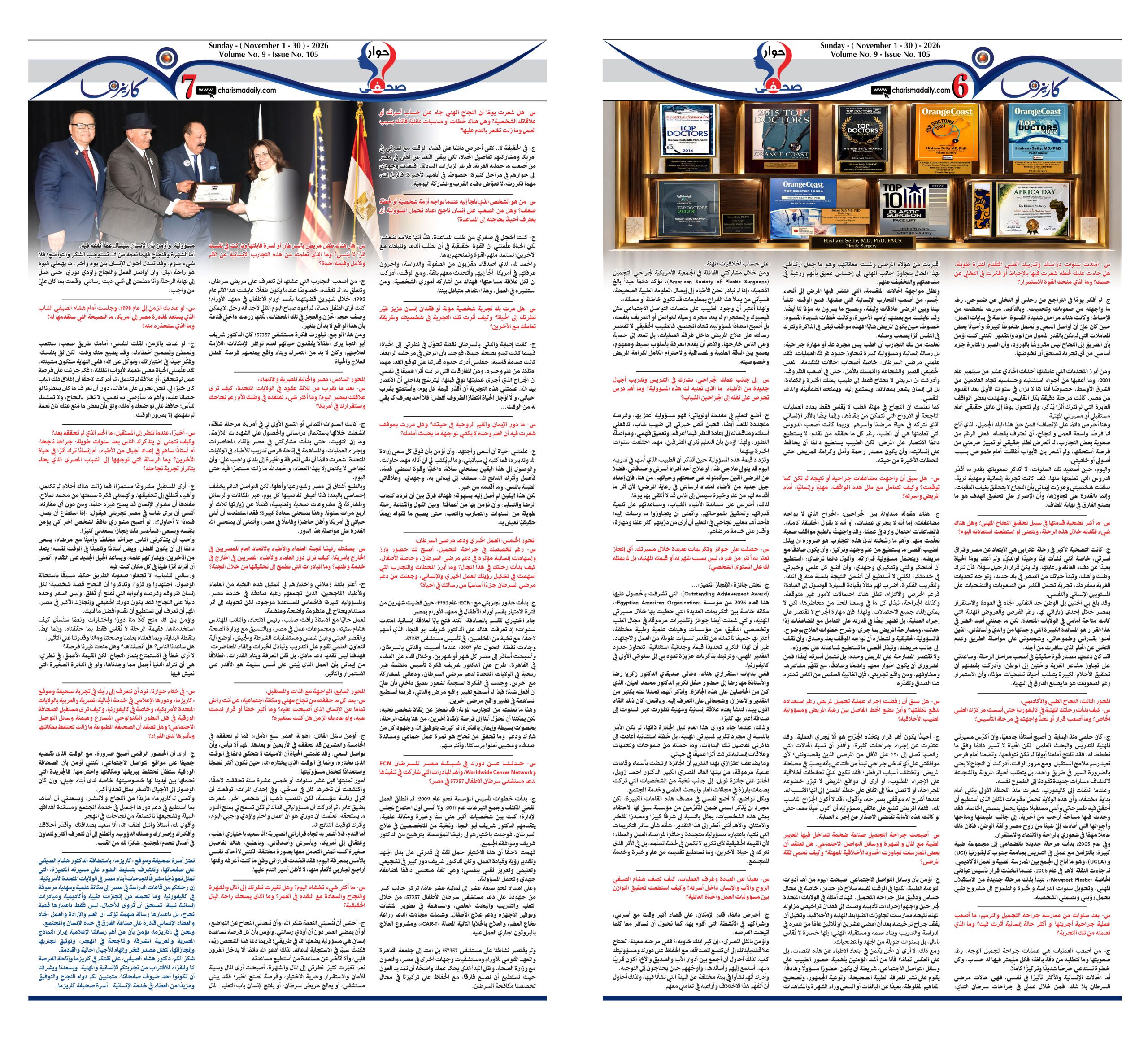
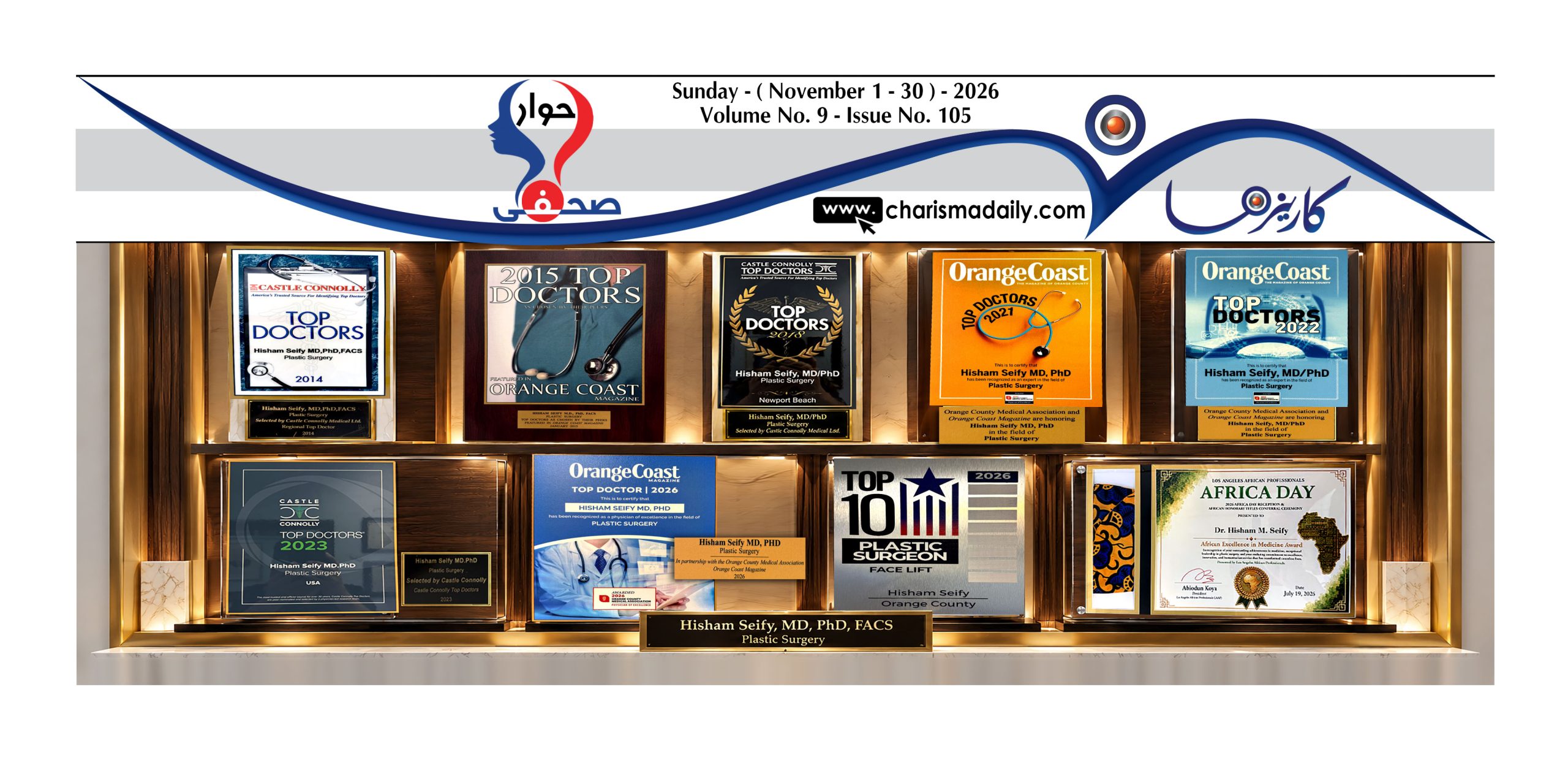
Dr. Seify has received the Orange County Physician of Excellence distinction for the period spanning 2012 to 2027, reflecting his longstanding recognition within the Southern California medical community.
He has also been named among America’s Top Doctors by Castle Connolly, in association with U.S. News, for the period from 2012 to 2026, further highlighting his professional standing within the American healthcare system.
In addition, Newsweek has recognized him among America’s Best Plastic Surgeons for the years 2022 through 2026, adding another notable distinction to his record of achievements in aesthetic and reconstructive surgery.
Beyond these prestigious honors, Dr. Seify continues to contribute to academic medicine and scientific publishing. He serves as a Section Editor in Oculoplastic Surgery for an international scientific journal specializing in aesthetic surgery, contributing his expertise in the highly specialized field of aesthetic and reconstructive procedures involving the eyelids and surrounding structures.
Taken together, these awards, professional distinctions, and academic contributions reflect Dr. Hisham Seify’s standing as an accomplished Egyptian-American physician whose journey embodies both professional excellence and a profound commitment to serving others.
His achievements extend far beyond personal recognition or academic prestige. They represent a broader philosophy in which scientific knowledge, surgical expertise, and professional success become powerful instruments for humanitarian service, community development, and international cooperation.
Through his dedication to advancing medical education, supporting cancer patients, and transferring knowledge and expertise to his native Egypt, Dr. Seify stands as an inspiring example of how individual achievement can evolve into a lasting legacy of compassion, responsibility, and giving back.
Between Egypt and America: The Homeland Where It All Began and the Nation Where Dreams Became Achievements:
More than three decades after graduating from Cairo University’s prestigious Kasr Al-Ainy Faculty of Medicine, and nearly twenty-eight years after embarking on his journey to the United States, Dr. Hisham Seify’s remarkable career stands as a testament to the power of ambition, perseverance, and an enduring commitment to excellence.
His journey has unfolded through successive chapters of academic distinction, rigorous professional training, scientific advancement, and unwavering dedication to medicine.
Egypt provided the foundation of his medical education and shaped his earliest aspirations. At Emory University, he refined his expertise through advanced scientific research and surgical training. In California, he established his own medical practice, expanded his academic presence, and built a distinguished professional career. Over time, his contributions extended beyond clinical medicine to encompass surgical education, humanitarian initiatives, and international medical collaboration.
What makes this journey particularly compelling, however, is that it has never been a one-way path.
It was not simply the story of an Egyptian physician leaving his homeland in pursuit of greater professional opportunities in America. Rather, it evolved into a continuing exchange of knowledge, expertise, and compassion a journey in which the achievements of an immigrant surgeon became a means of giving back to the country where his story first began.
With each new chapter of his career, deeper questions emerge questions that go far beyond academic credentials, professional titles, and prestigious awards.
What inspires a physician who has already achieved professional success and stability to continue dedicating his time and energy to education, scientific research, and humanitarian service? And how does a surgeon’s understanding of success evolve after decades spent witnessing the delicate intersection of illness, suffering, resilience, and hope?
Perhaps the answers to these questions reveal the most meaningful dimensions of Dr. Hisham Seify’s journey dimensions that no academic degree, professional distinction, or carefully documented résumé could ever fully capture.
For beyond the accomplishments of a distinguished surgeon lies the story of a man whose greatest achievements may ultimately be measured not by the honors he has received, but by the knowledge he has shared, the hope he has helped restore, and the lives he has touched along the way.
The Man Behind the White Coat: A Story Yet to Be Fully Told:
While Dr. Hisham Seify’s professional biography reveals an extraordinary journey filled with significant milestones and remarkable achievements, there remains a deeply personal side to his story one that can only be truly understood through the experiences, memories, and reflections of the man himself.
What was his childhood in Egypt like? Who had the greatest influence on shaping his character and values? Did he always dream of becoming an internationally recognized surgeon, or did life lead him down unexpected paths, presenting opportunities and challenges he could never have anticipated?
What did he experience emotionally when he left Egypt in 1998 to begin a new chapter in the United States? What were the greatest obstacles he encountered during his early years in America? And were there moments when the challenges seemed overwhelming, when the road ahead felt longer and more demanding than he had ever imagined?
And what about the family, friendships, and personal relationships that rarely find their way into a professional biography? How has he managed to balance the immense responsibilities of performing complex surgeries, teaching and mentoring future physicians, managing his medical institutions, and pursuing his humanitarian commitments?
Perhaps most importantly, what goes through his mind when he sees a child battling cancer receive a renewed opportunity for treatment and hope? And over the years, has this humanitarian mission become an inseparable part of how he personally defines success and fulfillment?
These questions open the door to a deeper and more intimate understanding of the man behind the surgeon the experiences that shaped his character, the relationships that influenced his choices, and the defining moments that helped guide his journey.
Beyond the operating room, academic achievements, and professional recognition lies a human story of ambition, sacrifice, resilience, compassion, and purpose a story whose most meaningful chapters may be found not in the milestones recorded on a résumé, but in the personal experiences that shaped the man wearing the white coat.
Charisma Opens the Pages of an Extraordinary Journey:
In this exclusive interview, Charisma Newspaper takes readers beyond the professional accomplishments of Dr. Hisham Seify, exploring not only the distinguished plastic and reconstructive surgeon who built a successful career in the United States, but also the Egyptian man whose ambition carried him from the classrooms of Cairo to the halls of America’s leading medical institutions.
His journey has been one of determination, rigorous scientific research, years of specialized training, and unwavering dedication. Yet his aspirations have extended far beyond personal and professional achievement, embracing a broader mission of educating future generations of physicians, supporting cancer patients, and building meaningful bridges of medical and scientific cooperation between Egypt and the international community.
In this candid and wide-ranging conversation, we explore the early experiences that shaped his dreams, the challenges that tested his resilience, and the defining achievements that transformed the course of his career. We reflect on the people who stood beside him, the decisions that shaped his future, and the moments that left a lasting imprint on his life.
We also delve into his personal philosophy of medicine, his commitment to humanitarian service, his enduring connection to his Egyptian homeland, and the legacy he hopes to leave for future generations.
This is far more than the success story of an Egyptian physician who made his mark in America. It is the deeply human journey of a man who believed in the transformative power of knowledge, perseverance, and hard work and who sought to turn his professional success into opportunities for education, healing, and renewed hope.
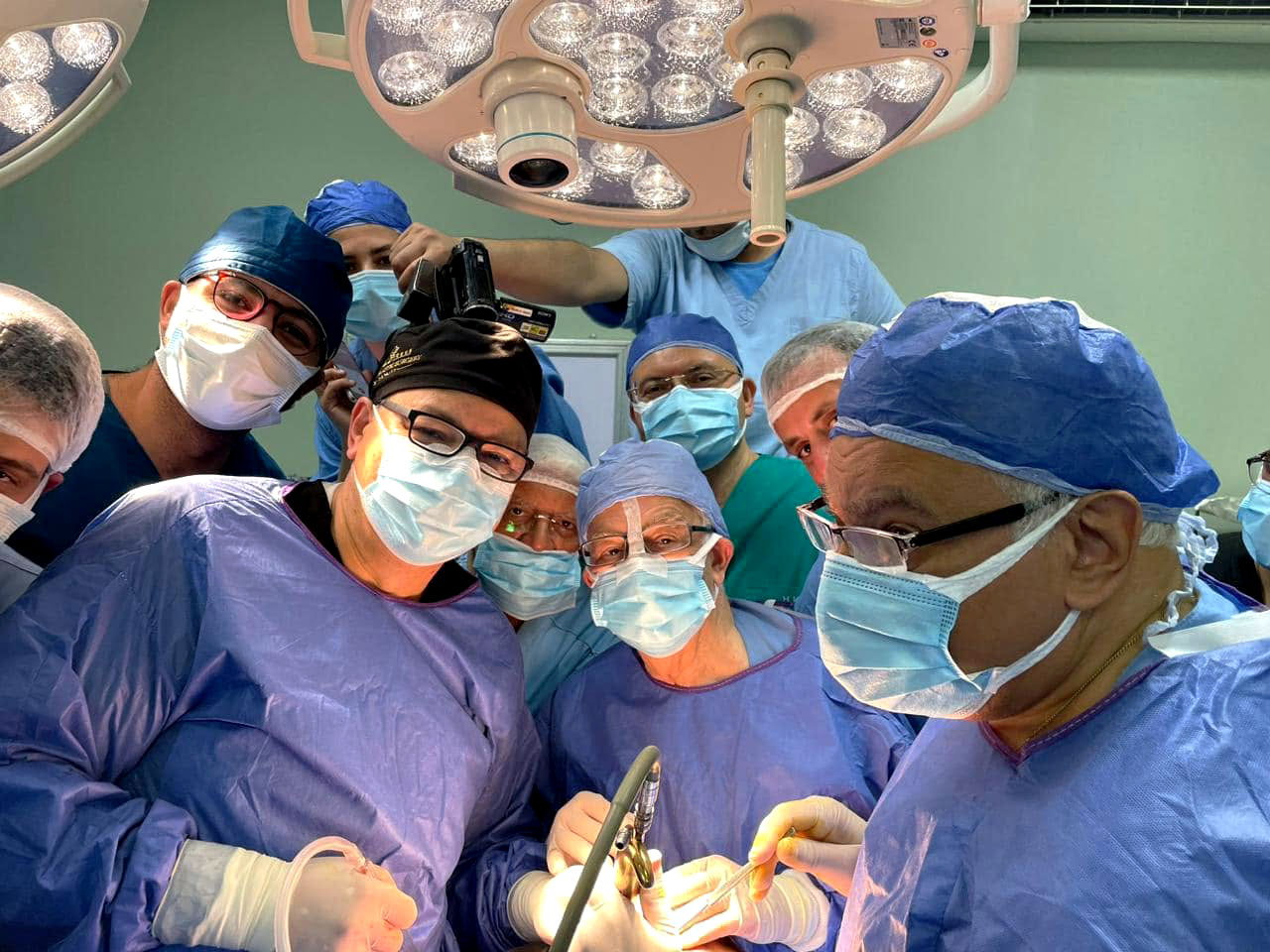
From Cairo to California, from the operating room to humanitarian initiatives dedicated to saving children’s lives, Charisma turns the pages of this remarkable journey inviting Dr. Hisham Seify to tell his story in his own words.
Part One: Egyptian Roots, Childhood, and Early Beginnings:
Q: Let us begin beyond the professional titles and medical achievements. Who is Dr. Hisham Seify as a person? Where were you born and raised in Egypt, and how did your childhood and family environment shape the person you are today?
Dr. Hisham Seify:
I was born in downtown Cairo and grew up between the Maadi district and my grandmother’s home in Manial. I was raised in an upper-middle-class family that valued culture, national awareness, and a deeply rooted belief that education is the cornerstone of personal development and a foundation for building one’s future.
I attended a well-established French school and grew up in a household where knowledge was regarded not merely as a means to achieve success, but as a fundamental value in its own right, alongside humanitarian principles and a strong love for our country.
I was profoundly influenced by my family’s history and its involvement in Egypt’s political life and national struggle, in which my father, mother, and uncle all played a role. Their example instilled in me, from an early age, a deep sense of responsibility and belonging.
Perhaps one of the most defining aspects of my upbringing in Egypt was that my experiences extended far beyond the social environment into which I was born. I had the opportunity to interact with people from all walks of life, from affluent and middle-class families to those facing greater economic and social challenges. These encounters allowed me to experience firsthand the diversity of their cultures, circumstances, and struggles.
Although some of these environments were marked by hardship and difficult realities, they offered me an extraordinary wealth of human experience. They taught me that life cannot be understood from a single perspective and that every individual has a unique set of circumstances and personal experiences deserving of understanding and respect.
This social and cultural diversity had a profound impact on shaping my character and broadening my perspective on life. Through my interactions with people from different social and economic backgrounds, I learned invaluable lessons that neither books nor classrooms alone could ever teach.
I believe that these experiences, combining deeply rooted family values with direct exposure to the realities of Egyptian society, in all its complexities, contrasts, and richness, became an essential part of my personal development.
They helped shape who I am as a human being and continue to influence the way I perceive, understand, and interact with others to this day.
Q: What are the most important values you learned from your parents? And who has had the greatest influence on your life someone whose words or advice continue to guide you to this day?
Dr. Hisham Seify: My mother has been one of the most influential people in my life. She played a fundamental role in shaping my character and instilling the values that continue to guide me today—above all, hard work, faith in God, and the determination never to surrender to despair, no matter how difficult the circumstances.
I also carry with me the words of my grandmother, who often repeated a traditional Egyptian proverb: “طولة العمر تبلّغ الأمل”—roughly translated as, “As long as there is life, there is hope of achieving one’s dreams.” These simple words carry profound wisdom, reminding me that hope is always worth the patience, perseverance, and effort it requires.
I have learned that success may take time and that the road may be long, but neither is a reason to stop trying. Every sincere effort makes a difference, and every step brings us closer to our goals. That is why I live by a simple principle: keep working, put my trust in God, and never lose hope. As long as we have the ability to keep striving, we still have a chance to succeed.
Q: Your academic record reflects outstanding achievement from an early age. Was medicine always your childhood dream, or did you have other ambitions? And what ultimately led you to pursue your medical education at Kasr Al-Ainy Faculty of Medicine?
Dr. Hisham Seify: Medicine was not my first childhood dream. My imagination was captivated by discovery and invention. I had a passion for reading and dreamed of becoming a space scientist—or even traveling into space myself.
At school, the science club gave me an opportunity to turn that curiosity into experiments, ideas, and simple inventions. Each small project brought me the excitement and satisfaction of discovering something new.
My decision to study medicine came later, during my high school years, when my childhood dreams began to intersect with the realities of planning for the future and choosing a career path. At that point, I came to see medicine as the most practical and suitable choice for me. I decided to pursue medical studies, marking the beginning of a new chapter in my journey of learning and scientific discovery.
Section Two: Medical Education and the Journey to America:
Q: How do you remember your years at Kasr Al-Ainy Faculty of Medicine in Cairo? Why did you choose plastic and reconstructive surgery in particular? Was there a professor or a defining experience that changed the course of your medical career?
Dr. Hisham Seify: My early years studying medicine in Egypt marked a defining chapter in my life. Their significance extended far beyond academic education. They were also a rich human and cultural experience that allowed me to discover Egyptian society firsthand, in all its diversity, social dimensions, and deep-rooted civilization.
During those years, I studied alongside classmates from a wide range of social and cultural backgrounds. The friendships and personal connections we developed broadened my perspective and gave me a deeper understanding of people and life itself.
I learned valuable lessons that could never be taught in a lecture hall, particularly the art of communication, respect for differences, understanding human nature, and navigating life’s many challenges and complexities.
Looking back, I consider those years the foundation of my academic, professional, and personal development. They prepared me for the next stage of my journey: hands-on clinical and surgical training, which proved to be an extraordinary experience filled with challenges, discoveries, and lessons of its own. But that is another story worth telling.
During those early years, I also had the opportunity to travel to France with the help of a dear friend and colleague, the late Professor Dr. Mohamed Nasr, a cardiologist. My fluency in French enabled me to make the most of this opportunity and adapt to a different medical environment.
I spent three months working and training alongside a physician specializing in pediatric plastic and reconstructive surgery. It was an invaluable experience that introduced me to European medical practices, expanded my professional knowledge, and gave me a broader perspective on the possibilities within my field.
At the end of that period, I was offered the opportunity to remain in France and continue my medical career there. It was an offer that could have changed the entire direction of my life.
However, I had a different vision for my future. I felt that the path most closely aligned with my ambitions was to return to Egypt, complete my foundational medical training, and then pursue the next chapter of my professional and academic journey in the United States, which I saw as the place where I could further develop my skills and fulfill my aspirations.
Q: In 1998, you made the decision to move to the United States. What was the real motivation behind that decision? Did you initially intend to settle permanently in America, or were you planning to return to Egypt after completing your studies and training?
Dr. Hisham Seify: The idea of moving to the United States began taking shape in my mind around 1994 or 1995, when I started seriously considering a new experience that would open broader horizons for my medical and professional career.
It was never simply about traveling abroad. It was a major step that required considerable preparation, careful planning, and determination. I began organizing my affairs, completed the required examinations, and continued moving forward with persistence, confidence, and faith in God’s guidance.
As I began my journey in America, I came to realize that success is not built on academic qualifications and hard work alone. The human relationships we develop, grounded in trust and mutual respect, also play an essential role in shaping our lives and opening doors to new opportunities.
Along the way, I was fortunate to meet individuals with whom I developed strong personal and professional relationships. Over the years, those connections grew deeper and stronger, creating opportunities for collaboration, shared achievements, and meaningful partnerships that have continued to evolve to this day.
Looking back, I can say that my journey to America was much more than a move from one country to another. It marked the beginning of an entirely new chapter in my life, one in which professional ambitions became deeply intertwined with personal experiences and human connections.
Throughout that journey, God’s blessings and guidance, together with hard work, perseverance, and the relationships I built along the way, played a significant role in shaping my career and everything I have been fortunate enough to accomplish.
Q: Tell us about your early days in the United States. What were the greatest challenges you faced as an Egyptian immigrant and physician? Did you ever experience feelings of isolation, discrimination, or difficulty proving yourself?
A: My early days in the United States were far from easy. In fact, they were among the most challenging and transformative periods of my life. I arrived with great ambitions and high hopes, only to encounter unexpected obstacles almost immediately. I had been counting on a scholarship to support my continued education and professional development, but the university was unable to provide the financial assistance due to its own economic difficulties. Suddenly, I found myself facing circumstances very different from what I had envisioned, and I had to find alternative solutions without losing sight of my ultimate goal.
What made the experience even more difficult was that I had arrived alone in a country where I knew no one. There were no Egyptians or Arabs in my immediate surroundings, nor even anyone who spoke my language. I had to start entirely from scratch, from finding a place to live and managing everyday necessities to making important decisions independently and adapting to a new society with a culture and customs very different from those I had known.
The first six months were particularly difficult, marked by loneliness, homesickness, and the challenges of adjusting to life in a foreign country. Yet, paradoxically, they also became some of the most enriching months of my life. Without an Arabic-speaking community around me, I had the opportunity to immerse myself directly in American society, gain a deeper understanding of its culture and people’s perspectives, and develop valuable personal and social experiences. Those early lessons later helped me build meaningful relationships and better understand the society of which I had become a part.
Despite all these difficulties, I never considered giving up or turning back. That has always been part of my character: once I set my mind on a goal, I remain determined to pursue it, regardless of the obstacles.
Looking back today, I realize that living far from home was much more than a test of patience and determination. It was a profound learning experience that shaped my character, strengthened my independence and self-confidence, and broadened my horizons.
Ironically, those months that began with some of the greatest challenges of my life ultimately became among its most rewarding and memorable experiences, playing a defining role in shaping both the person and the physician I would become.
Q: Your years of advanced medical education and training extended over a considerable period. Was there ever a moment when you felt discouraged or considered giving up on your dream? What gave you the strength to persevere?
A: I never seriously considered abandoning my journey or giving up on my ambitions, despite the many difficulties and challenges I encountered along the way. Of course, there were moments of frustration and periods of considerable hardship, particularly during the early stages of my career, when I had to keep pushing forward under tremendous pressure. At times, I also encountered attitudes and treatment that lacked the warmth, appreciation, or consideration one might have hoped for.
Nevertheless, I have always believed that the road to success is rarely smooth, and that patience, perseverance, and resilience are essential parts of any worthwhile journey.
One of the most significant challenges I experienced came in the aftermath of the September 11, 2001, terrorist attacks. The events created an extraordinary atmosphere of uncertainty and heightened sensitivity toward people from the Middle East, particularly for those of us who had only recently arrived from Egypt.
It was undoubtedly a delicate and difficult period. There were occasional unpleasant encounters, but they were isolated incidents that left no lasting impact on me and never became genuine obstacles to my future or professional advancement.
At the same time, I believe it is important to be fair and acknowledge what this wonderful country has offered us. The United States has provided tremendous opportunities to work, grow, and succeed, and I have always felt a deep appreciation for that.
Despite some difficult experiences, I can genuinely say that I was never subjected to serious injustice or discrimination that deprived me of an opportunity I had rightfully earned. Nor did I ever feel that doors were closed to me because of my Egyptian origins or cultural background.
Today, when I reflect on those years, I remember the lessons far more than the hardships. They were profoundly enriching years, both personally and professionally, shaping my character and reinforcing my belief that success is not defined by the absence of obstacles, but by our ability to overcome them.
Ultimately, it is the determination to remain committed to one’s goals, even in the face of adversity, that makes all the difference.
Q: What was the greatest sacrifice you made in pursuit of professional success? Was there anything you lost along the way that you wish you could regain today?
A: The greatest sacrifice I made in my journey as an immigrant was leaving Egypt and being separated from my family. As an only child, I had always been surrounded by the warmth, love, and care of my parents, and I had never experienced life away from them. The decision to leave was far from easy. Leaving behind your homeland and loved ones, starting from scratch in a new country, and facing the challenges of life abroad on your own is an experience that comes with profound personal and emotional sacrifices.
At one point, my homesickness became so overwhelming that, during a visit to Egypt, I seriously considered returning permanently, despite the promising professional opportunities and offers available to me in the United States. What ultimately made me reconsider was the tremendous support and encouragement I received from my parents and mentors. They believed in my abilities and aspirations and urged me to persevere rather than abandon the dream that had inspired me to leave Egypt in the first place.
Their unwavering support became a genuine source of strength during the most difficult chapters of my journey, helping me overcome the loneliness of living far from home and the constant longing for my country and family. Through their encouragement, I came to understand that achieving great dreams sometimes requires painful sacrifices, and that the determination to keep moving forward, even in the face of adversity, is ultimately what makes the difference.
Section Three: Medical and Academic Success:
Q: How did your professional journey in California begin, eventually leading you to establish your own medical practice? What was the most difficult decision or challenge you faced during that process?
Dr. Hisham Seify:
From the very beginning, my dream was to become a university professor and dedicate my professional career to teaching and scientific research. However, life does not always unfold according to our plans. Sometimes, unexpected doors open, presenting opportunities that reshape our vision of the future. Over time, I came to realize that success does not necessarily mean following a single predetermined path. At times, it requires flexibility, courage, and a willingness to explore new directions that may ultimately lead us toward the same aspirations.
When I moved to California, I immediately felt that I was embarking on a different chapter of my life. I sensed that this was a place where I could fulfill my ambitions and build a professional future that reflected my own vision and identity. California offered a greater sense of freedom, along with a natural environment, climate, and atmosphere that reminded me of Egypt and brought back a comforting sense of home. These qualities played an important role in helping me feel at ease, develop a sense of belonging, and establish stability in my new surroundings.
In 2005, I entered a new phase of my career when I joined a large medical practice while continuing my academic teaching responsibilities at the University of Southern California, the University of California, Irvine (UCI), and the University of California, Los Angeles (UCLA). This allowed me to combine clinical practice with academic medicine, bringing together two areas that had always been central to my professional aspirations.
The most significant turning point came in 2006, when I made the decision to establish my own private practice, Newport Plastic. That decision marked the beginning of a new chapter of professional independence, transforming years of education, experience, and ambition into a medical practice built around my personal vision, values, and approach to patient care.
Q: After years of practicing plastic and reconstructive surgery, what has been the most challenging surgical procedure you have performed, or the most emotionally impactful patient experience you have encountered? What did that experience teach you?
Dr. Hisham Seify:
Among the most technically demanding procedures are facial plastic surgeries. These operations require an extraordinary level of precision, as every millimeter matters and every step demands meticulous attention, sound judgment, and complete concentration.
However, the cases that have affected me most deeply on a human and emotional level have undoubtedly involved patients battling cancer. Through my work in breast cancer surgery and reconstruction, I have had the opportunity to develop close relationships with these patients and witness their suffering firsthand. Those experiences transformed my connection to this field into something far more profound than a professional responsibility. They awakened within me a deep empathy for their pain and a genuine desire to help ease their suffering.
Some of the most emotionally difficult experiences have involved patients with advanced cancer that had spread to other parts of their bodies. Over time, we often develop meaningful relationships with our patients, and their struggles inevitably become deeply personal to us as well.
I have accompanied some patients through the final days of their lives, and those moments have been extraordinarily painful, particularly when the patient is young. Such experiences remain etched in your memory and leave an emotional impact that is difficult to put into words.
These encounters have taught me that medicine is far more than scientific knowledge or surgical expertise. It is a profoundly human calling and an immense responsibility that extends well beyond the operating room.
My cancer patients, especially those facing advanced stages of the disease, have taught me the true meaning of patience, courage, and holding on to hope, even in the most difficult circumstances. I have come to understand that patients need more than a physician with knowledge, experience, and technical competence. They also need someone who recognizes their suffering, listens to their concerns, offers reassurance, and provides emotional support.
I have also learned that success in medicine cannot be measured solely by the number of successful operations we perform or the lives we are able to save. It must also be measured by the human impact we leave on our patients and their families.
Perhaps the most difficult lesson I have learned is that, despite the extraordinary advances in modern medicine, we cannot always defeat disease. Yet, as physicians, we can always choose to preserve our humanity.
Even when a cure is no longer possible, we can continue to offer compassion, comfort, hope, and dignity, standing beside our patients until the very last moments of their lives.
Q: Have you ever encountered surgical complications or an outcome that did not meet your expectations? How do you handle such situations, both professionally and on a human level, when dealing with patients and their families?
Dr. Hisham Seify: There is a well-known saying among surgeons: “A surgeon who never encounters complications is either not performing surgery or not telling the whole truth.”
Complications are an inherent possibility in our profession, and I have certainly faced difficult situations from which I have learned valuable lessons. Above all, these experiences have reinforced my belief that a physician must devote the utmost knowledge, effort, and concentration to every patient, remain honest and transparent, and take full responsibility for their medical decisions.
I always tell my patients: “I can give you my time, my attention, my dedication, and the full extent of my knowledge and experience, but I cannot guarantee a 100 percent outcome.”
To illustrate this point, I often use the example of driving to my office. No matter how carefully you drive or how strictly you follow traffic rules, unexpected circumstances can still arise. Surgery is much the same. We take every possible precaution to minimize risks, but we cannot eliminate every potential complication.
That is why a surgeon’s skill is not measured solely by the ability to perform an operation successfully, but also by the ability to manage complications when they occur, communicate openly with the patient, and clearly explain the steps needed to address the situation.
True professionalism and surgical expertise lie in confronting challenges with knowledge, integrity, and accountability, standing by your patient, and doing everything within your power to help them through a difficult experience.
This commitment to transparency extends beyond the patient to their family as well. It is essential to communicate openly and honestly with loved ones while acknowledging their emotions, concerns, and fears. In my experience, the overwhelming majority of people recognize, respect, and appreciate that honesty.
Q: Have you ever refused to perform a cosmetic procedure on a patient who was willing to pay for it? Where do you draw the line between a patient’s wishes and a physician’s ethical responsibility?
Dr. Hisham Seify: Sometimes, the most important decision a surgeon can make is not to operate.
I have declined to perform many procedures throughout my career. In fact, I estimate that I turn down at least 20 percent of the patients who come to see me, because my decision to proceed with any surgical intervention must begin with a firm conviction that it is genuinely in the patient’s best interest.
There are various reasons why I may decline a procedure. I might have ethical concerns about the requested surgery, believe that the patient’s motivations do not justify undergoing an operation, or find that we cannot agree on a treatment plan that I consider appropriate and safe.
In such cases, I explain my position openly and honestly, and I may simply say, “I may not be the right surgeon for you.”
When patients place their trust in me, they also place a profound responsibility on my shoulders. I owe them honesty and integrity, even when honoring that responsibility means declining to perform a procedure.
Q: Plastic surgery has become a multibillion-dollar industry in which medical standards increasingly intersect with financial interests, fame, and social media. Do you believe some practices have crossed the ethical boundaries of the profession? And how do you safeguard patients’ trust?
Dr. Hisham Seify: I firmly believe that social media has become one of the most powerful tools for medical education and public awareness. At the same time, however, it is a double-edged sword, particularly in a field as sensitive and specialized as plastic surgery.
In the United States, there have been cases of surgeons facing disciplinary action, including the revocation of their medical licenses, as a result of practices that violated professional and ethical standards.
Imagine a surgeon losing their license after dedicating twenty or thirty years of their life to education, training, building a reputation, and establishing a professional career. Such a loss cannot be measured in financial terms alone; it represents the loss of decades of hard work, dedication, and personal sacrifice.
Nevertheless, I do not believe the solution is for physicians to withdraw from social media. Quite the opposite. I am a strong advocate for physicians maintaining an active presence on these platforms, provided that their engagement is responsible, purposeful, and grounded in professional ethics.
Their role should be to share accurate medical information, educate the public, and correct misconceptions, rather than resort to exaggeration or pursue fame, followers, and views at the expense of professional integrity.
Through my active involvement with the American Society of Plastic Surgeons (ASPS), we consistently emphasize a fundamental principle: “If we, as physicians, do not take the initiative to provide the public with accurate medical information, others will fill that void, potentially with false or misleading information.”
For this reason, I believe that a physician’s presence on platforms such as Facebook and Instagram is no longer merely a means of communication or personal promotion. It has become an extension of our professional and social responsibility.
A physician’s mission should never be confined to treating patients inside the operating room. It must also extend to protecting and educating the public beyond its walls.
Most importantly, medical knowledge should be communicated in a clear, accessible, and understandable manner, combining scientific accuracy with credibility, transparency, and unwavering respect for every patient’s dignity and privacy.
Q: Beyond your surgical practice, you are actively involved in teaching and training the next generation of physicians. What does this responsibility mean to you, and what is the most important lesson you hope to pass on to young surgeons?
A: Education has always been one of my highest priorities. It is a responsibility I deeply value, but it is also a continuous opportunity for personal growth and learning. Whenever I share my experience with a young physician, their questions and discussions challenge me to revisit what I know, deepen my understanding, and continue evolving professionally. I firmly believe that teaching enriches both the teacher and the student, regardless of their respective levels of experience.
This responsibility becomes even more meaningful when I consider that a physician I help train today may one day be responsible for my own medical care, or that of a family member or friend, not to mention the countless patients who will entrust that physician with their health and lives.
From this perspective, training the next generation of doctors is an extension of my commitment to patient care. The knowledge and experience I pass on will ultimately benefit people I may never have the opportunity to meet.
That is why I am committed to supporting young physicians, helping them develop their abilities, and encouraging them to pursue their ambitions. My sincere hope is that they will surpass my own achievements. To me, one of the greatest measures of success as an educator is seeing those I have trained become more knowledgeable, more skilled, and better equipped to serve their patients.
Q: Throughout your career, you have received numerous awards and honors. Which achievement holds the greatest personal significance for you not because of its prestige or professional recognition, but because of what it represents to you personally?
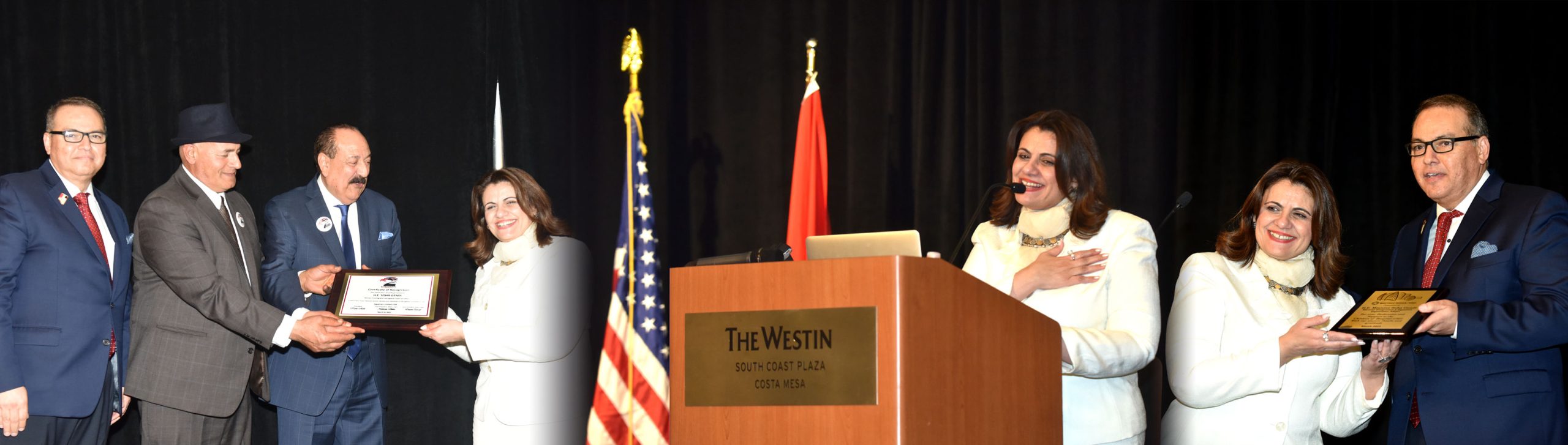
A: The Outstanding Achievement Award, which I was honored to receive in 2026 from the Egyptian American Organization, holds a particularly special place among the many recognitions I have received throughout my career.
Over the years, I have been fortunate to receive prestigious awards and professional distinctions in medicine and my surgical specialty from various medical and scientific institutions. I value each of these honors as recognition of many years of dedication, perseverance, and hard work.
However, this particular award carries an exceptional emotional significance that extends far beyond professional recognition. It is deeply connected to cherished memories from my early years in California.
Shortly after settling there, my dear friends, Dr. Zakaria Reda and Ms. Maha Reda, invited me to attend an award ceremony honoring Dr. Mohamed El-Ayan, who was among the recipients of this distinction. I vividly remember how highly they spoke of him and how strongly they encouraged me to meet him.
That occasion marked our first meeting, and what began as a professional introduction gradually developed over the years into a meaningful personal and professional relationship and a friendship I deeply cherish.
Therefore, when I received the same award this year, it represented much more than recognition of my professional journey. It was an extraordinary moment that brought back vivid memories of those early days—the aspirations, challenges, and human connections that left such a lasting impression on my life.
What makes this honor even more meaningful is its association with distinguished figures in science and academia, including the renowned Egyptian scientist and Nobel laureate Dr. Ahmed Zewail, alongside other remarkable individuals who have made significant contributions to science, research, and community service.
With all humility, I would never place myself on the same level as these extraordinary figures. Nevertheless, simply having my name included among those honored by an organization that has previously celebrated such distinguished individuals is a tremendous privilege and a source of profound pride and gratitude.
More importantly, I view this recognition, like every other honor I have received, as a renewed responsibility and a motivation to continue working, contributing, and giving back.
Ultimately, the true value of any award does not lie in the moment it is presented, but in the lasting impact we make on the lives of others and in the knowledge, experience, and service we are able to contribute to our communities.
Q: Away from the clinic and operating room, how would you describe Hisham Seify as a husband, father, and family man? How have you managed to balance the demands of your professional career with your family life?
A: I always try, as much as possible, to spend quality time with my family and involve them in the activities I participate in. We also make an effort to travel together whenever the opportunity arises.
I strongly believe in an old Egyptian saying: “When your son grows up, become his friend.” It reflects an important principle in parenting: at a certain stage, your relationship with your children needs to evolve to include friendship, while still maintaining your role and responsibilities as a father.
That is why I try to combine the roles of father, friend, and older brother. I want to remain close to my children, listen to them, support them, and offer guidance whenever they need it.
I also recognize that they have grown up in an environment very different from the one in which we were raised. Understanding and respecting those differences is essential to the way I communicate with them and approach our relationship.
Q: Have you ever felt that your professional success came at the expense of your family or personal relationships? Are there any important family moments or occasions you missed because of work that you still regret today?
A: Not really. I have always made a conscious effort to spend time with my family in the United States and remain actively involved in their everyday lives.
However, being separated from my family in Egypt has been one of the most difficult aspects of living abroad.
Despite our visits to one another over the years, I missed being physically present with them during many important stages of their lives, particularly during their final days.
No matter how frequently we visit, those moments can never fully replace the warmth of being close to our loved ones and sharing the simple experiences of everyday life.
Q: Who do you turn to when facing a personal crisis or a moment of vulnerability? Is it difficult for someone who has achieved success and is accustomed to carrying significant responsibilities to admit that they sometimes need help?
A: When I was younger, I used to feel embarrassed about asking for help because I mistakenly believed it was a sign of weakness.
Over time, however, life taught me that true strength lies in our willingness to seek support and offer it to others. We draw strength from the people around us, just as we can provide strength and encouragement in return.
Thankfully, I am fortunate to have close friends who have been part of my life since childhood and my school years, as well as others I have come to know here in the United States. These are people I trust and feel comfortable turning to whenever I need someone to talk to.
With experience, I have also learned that every relationship has its own place and purpose. There are friends with whom I share deeply personal matters, while others are the people I turn to for professional advice.
What makes these relationships especially valuable is that the trust, understanding, and support are mutual.
Q: Have you ever experienced a painful personal loss or the illness of someone close to you that fundamentally changed your perspective on life? How did that experience shape your character and the way you relate to others?
A: My mother’s cancer diagnosis was a defining turning point in the way I viewed life.
She had appeared to be in good health, so discovering that she had stage IV cancer came as a devastating shock to our entire family.
That experience made me realize how limited our ability is to predict what tomorrow may bring, regardless of how much medical knowledge or professional experience we possess.
One particularly striking and deeply moving aspect of that experience was that the surgeon who performed my mother’s operation passed away before she did.
That unexpected turn of events reinforced my belief that the length of our lives is ultimately in God’s hands.
It taught me to appreciate the value of every single day, cherish the time I spend with the people I love, and never postpone living while waiting for better circumstances.
After all, none of us truly knows how much time we have left…
Q: What role do faith and spiritual values play in your life? Have you ever faced a situation in which you felt that science alone was not enough to confront what was happening before you?
Dr. Hisham Seify: Life has taught me to work hard, give my best, and trust that beyond every human effort lies God’s will and divine plan. What God has destined for me will ultimately find its way to me, and what is not meant for me will remain beyond my reach, no matter how hard I try.
Reaching this level of faith and acceptance has given me inner peace and the strength to keep moving forward. I do everything within my power and leave the outcome in God’s hands, drawing strength from my faith, my efforts, the meaningful relationships I build with others, and the good I strive to do.
But I did not arrive at this conviction easily. There is a profound difference between speaking about acceptance and surrendering to God’s will and truly embracing those beliefs deep within your heart. The journey from words to genuine conviction is a long one, shaped by years of experience, hardship, perseverance, and personal growth, until what we say becomes a deeply rooted faith that guides the way we live.
Section Four: Philanthropy and Supporting Cancer Patients:
Q: Although your medical specialty is plastic and reconstructive surgery, you have become widely involved in humanitarian efforts supporting cancer patients, particularly children. How did your journey in this field begin? What were the most significant experiences and turning points that shaped your vision of philanthropy and humanitarian service, ultimately making the fight against cancer an essential part of your life’s mission?
Dr. Hisham Seify: The roots of my involvement with the Egypt Cancer Network (ECN) go back to 1992, when I spent two months of my medical internship in the Pediatric Oncology Department at Egypt’s National Cancer Institute.
My assignment to that department happened entirely by chance, but it opened the door to a meaningful relationship that would continue for decades. It was there that I met Dr. Sherif Abouelnaga, who would later play a leading role, alongside a dedicated group of individuals, in establishing Children’s Cancer Hospital Egypt 57357.
The real turning point came in 2007, when my mother was diagnosed with cancer. During that period, I began traveling to Egypt every month or two. At a dinner gathering in Cairo, Dr. Sherif introduced the idea of establishing a nonprofit organization in the United States to support cancer patients and invited me to join the initiative alongside others.
The idea resonated deeply with something I had been feeling inside: a powerful need to do something meaningful. I realized that even if I could not change the course of my mother’s illness, perhaps I could help change the lives of other cancer patients.
That experience taught me one of life’s most profound lessons: We may not always be able to save someone we love, but we can transform our pain into an opportunity to save others.
That was how the journey began with small steps, faith in the mission, and a shared determination to make a difference. Over time, the initiative grew through God’s blessings and the dedication of everyone who contributed and offered support.
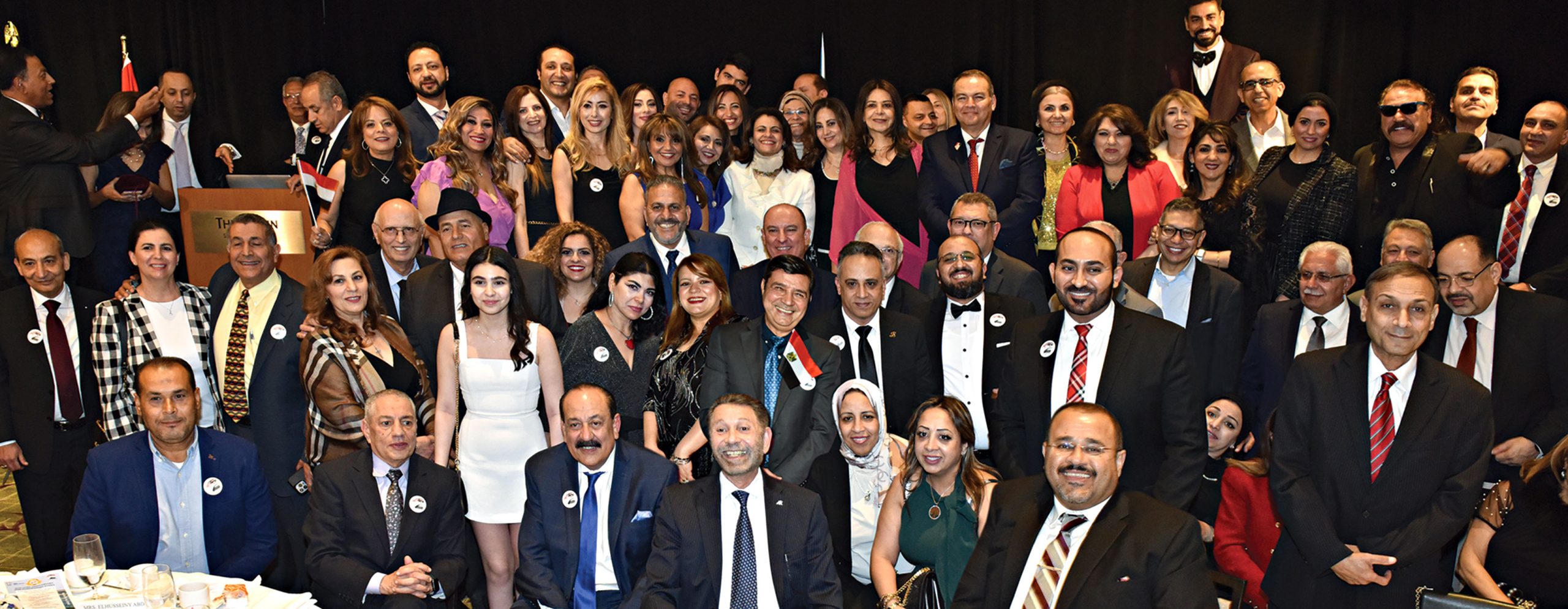
Whatever success we have achieved is the result of a collective effort, made possible by the generosity and commitment of friends and supporters who believed in our mission and you are among them.
Q: Tell us about your role in the Egypt Cancer Network (ECN) and the Worldwide Cancer Network. What have been the most significant initiatives you have helped implement to support Children’s Cancer Hospital Egypt 57357?
Dr. Hisham Seify: The initial steps toward establishing the organization began around 2009, while our intensive operations and fundraising efforts officially gained momentum in 2011.
I will never forget our first board meeting. I found myself surrounded by distinguished individuals who were older, more experienced, and highly accomplished in their scientific and medical careers. Among them were Dr. Sherif Abouelnaga and a remarkable group of cancer specialists.
To my surprise, they selected me to serve as the organization’s president, following Dr. Sherif’s nomination and the unanimous agreement of the board.
I later came to understand that their decision reflected their confidence in my willingness to work hard, contribute a meaningful vision, and take on a leadership role.
Dr. Sherif played an instrumental role in encouraging me, mentoring me, and strengthening my confidence in my own abilities. His trust inspired me to work even harder and embrace the responsibility entrusted to me.
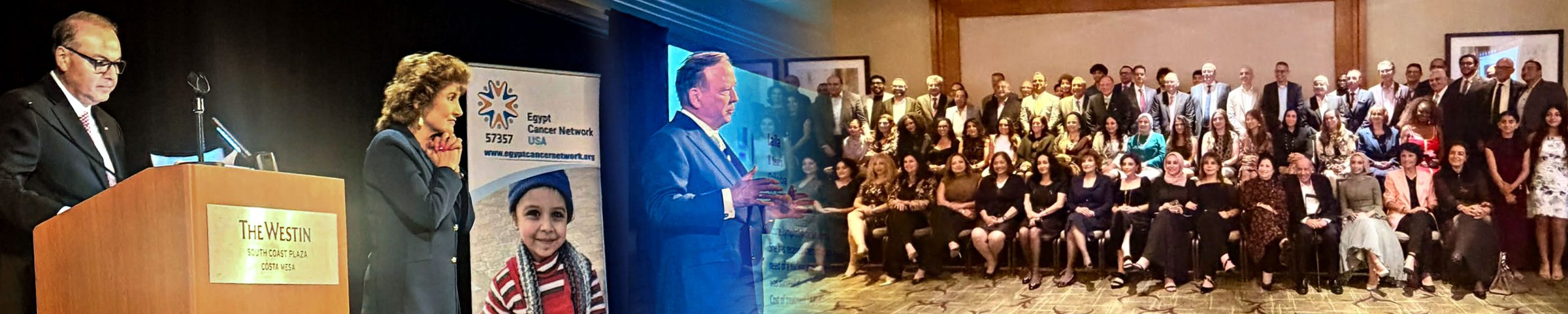
Over approximately seventeen to eighteen years, a significant portion of our efforts has focused on supporting Children’s Cancer Hospital Egypt 57357 through medical education, professional training, scientific research, infrastructure development, the provision of medical equipment, and direct support for children’s treatment.
Our initiatives have included support for bone marrow transplantation, CAR-T cell therapy, and the ongoing proton therapy project.
However, our work has never been limited to Hospital 57357. It has extended to Cairo University, the National Cancer Institute, other hospitals and medical institutions throughout Egypt, and collaborations with the Egyptian Ministry of Health.
Throughout this journey, one guiding principle has remained constant: to extend a helping hand wherever we can make a meaningful difference, while maintaining our central focus on our area of expertise the fight against cancer.
Q: Is there a child battling cancer, or a family you have encountered, whose story left an unforgettable impression on you? What have these deeply human experiences taught you about suffering, hope, and the value of life?
Dr. Hisham Seify: One of the most painful experiences anyone can endure is getting to know a cancer patient, developing a personal connection with them, and then losing them—especially when that patient is a child.
I experienced this heartbreak firsthand in 1992, during the two months I spent in the Pediatric Oncology Department at the National Cancer Institute.
There were times when I would see a child in the evening, only to return the following morning and discover that the child had passed away.
The depth of sorrow and helplessness in those moments is almost impossible to describe. Yet those experiences planted a lasting conviction within me: something had to change.
It was out of that suffering that the vision for Children’s Cancer Hospital Egypt 57357 began to take shape.
Dr. Sherif Abouelnaga had witnessed children losing their lives because the medical resources necessary to treat them were simply unavailable. It became clear that action was urgently needed—to create a different reality, one in which these children would have a better chance of receiving treatment, surviving, and living the lives they deserved.
Egypt, the Egyptian Community, and a Sense of Belonging:
Q: After nearly three decades in the United States, how would you describe your relationship with Egypt today? And despite your professional success and established life in America, what do you miss most about your homeland?
A: My first eight or nine years in the United States were particularly demanding, as I devoted much of that time to completing my studies and obtaining the necessary qualifications. Once I had finished that stage of my journey, I began giving back to Egypt by delivering lectures, performing surgeries, and helping create training opportunities for Egyptian physicians in the United States.
I have always felt a responsibility to share the knowledge and experience I have gained with my homeland. To me, professional success is not truly complete unless it is accompanied by a commitment to giving back. Thankfully, I have been able to continue that mission to this day.
Of course, I miss Egypt—its streets, its people, and the familiar warmth of home. However, staying closely connected helps ease the feeling of distance. Egypt remains part of my everyday life through phone calls, messages, and my involvement in healthcare and educational initiatives, as well as my visits three or four times a year.
This brings me tremendous happiness. I have been fortunate enough to build a life in America while remaining actively involved in Egypt and contributing to its development. I pray that God continues to give me the strength and ability to carry on this mission.
Q: As Chairman of the Scientists and Physicians Committee of the General Union of Egyptians Abroad in the United States, how do you view the role of Egyptian scientists and physicians living overseas in serving their homeland? What initiatives do you hope to accomplish through the committee?
A: I am deeply honored by the trust my colleagues have placed in me and by their decision to entrust me with representing such an accomplished group of scientists and physicians, all united by a genuine desire to serve Egypt.
It is a significant responsibility. While there is no shortage of enthusiasm or willingness to help, translating that goodwill into meaningful, sustainable results requires a clear and well-organized framework.
We are currently working alongside Mr. Raafat Salib, President of the Union; Vice President Eng. Hisham Sitita; and working groups in Egypt, in coordination with the Ministry of Health, Kasr Al-Ainy, Ain Shams University, and police and military hospitals, to establish a structured mechanism for scientific and medical collaboration.
Our efforts focus on professional training, knowledge exchange, and educational lectures. Our goal is not to provide financial assistance, but rather to transfer knowledge, share expertise, and build professional capacity.
I firmly believe that initiatives built on strong foundations and sound organizational principles are the ones most capable of achieving lasting impact and meaningful change.
Part Six: Self-Reflection and the Future:
Q: After all the professional success and social recognition you have achieved, are you completely satisfied with the person you have become? What is your biggest mistake or a decision you have regretted? If you could turn back time, would you change it?
Dr. Hisham Seify: I believe in an old Egyptian saying: “With a long life comes the chance to fulfill one’s hopes.” What you may not achieve at 25, you might accomplish at 40 or even later. What matters is never losing hope and continuing to strive toward your goals.
Life has taught me that our dreams do not always come true when we want them to, but rather when God determines the time is right—when we have become more mature and better prepared to handle the responsibilities that come with them.
There were things I wished for ten or fifteen years ago that eventually came true, and I later realized that the delay had actually worked in my favor. On one occasion, I expected to become president of an organization, but the position went to someone else. I was briefly disappointed, but I eventually understood that my responsibilities at the time would not have allowed me to give the position the attention and dedication it deserved.
That experience taught me that my role is to work hard, dream, and fulfill my responsibilities today, while leaving the timing of the results in God’s hands.
As for regrets, I have none about the major decisions that have shaped my life. I am happy with my decision to pursue medicine, my move to the United States, and the family and friendships I have been blessed with.
Of course, there are small things I wish I had handled differently. But I do not judge my past self based on what I know today. I made my decisions according to the knowledge and circumstances I had at the time. I reflect on my experiences to learn from them, not to remain trapped by regret.
Q: What do you fear most at this stage of your life? Has your perspective on money, fame, success, and happiness changed as you have grown older? And what truly gives you peace of mind?
Dr. Hisham Seify: My greatest fear is that the blessings I have received might cause me to forget to thank God, that success might distance me from humility, or that life might pass without my fulfilling the purpose I was meant to serve.
I believe that every opportunity to help another person is a responsibility God places in my path. Perhaps that person has been praying for help, and God has chosen to make me part of the answer to that prayer. That is why I continually pray that arrogance never finds its way into my heart and that I never hesitate to help someone when I have the ability to do so.
Yes, my perspective on money and fame has changed significantly over the years. Today, I see money as a means of providing security, stability, and freedom of choice, but also as an opportunity to do good. Money can help build a hospital, provide treatment for a cancer patient, or open the doors of education for someone who might otherwise be denied that opportunity.
Money comes with responsibility, and I believe we will ultimately be held accountable for how we choose to spend it.
As for fame and success, I see them as blessings from God that should inspire gratitude and humility. Nothing lasts forever, and a person’s circumstances can change from one day to the next.
What matters most to me today is peace of mind. I want to continue working, achieving, and fulfilling my responsibilities, so that when I reach the end of my journey, I can look back with the reassurance that I fulfilled my purpose and did what I was meant to do.
Q: If you could travel back to 1998 and sit down with the young Hisham Seify as he prepared to leave Egypt for the United States, what advice would you give him? And what would you warn him about?
Dr. Hisham Seify: If I could go back in time, I would tell my younger self: “You have a difficult road ahead. You will struggle, make mistakes, learn from them, and correct your course. You may lose time along the way, but believe in yourself, think carefully about your choices, and put your trust in God. Ultimately, His will shall prevail.”
Life has taught me what I call “the blessing of closed doors.”
There have been many occasions when I felt disappointed because a job opportunity did not materialize or a relationship did not work out. Yet, with time, I came to realize that those closed doors had actually been blessings in disguise.
We often grieve over opportunities we have lost without knowing what might have awaited us had those opportunities worked out.
Above all, I would tell my younger self: “Never allow success to make you arrogant, and never allow disappointment to drive you into despair. Hold on to your humility and your hope, and trust that some of the things you were denied were blessings you could only understand with the passage of time.”
Q: Finally, as you look toward the future, what dream have you yet to fulfill? How would you like people to remember you many years from now—as a successful surgeon, as an educator who helped train generations of physicians, or as someone who made a meaningful difference in the lives of others? And what message would you offer young Egyptians who dream of following a path to success similar to yours?
Dr. Hisham Seify: I see the future as an ongoing journey. There are still dreams I have not fulfilled and goals I hope to achieve.
I was once inspired by something I heard Mohamed Salah say, which conveyed the idea that one person’s journey can inspire someone else’s dream. Without drawing any comparisons, I hope that a young person in Egypt might look at my experience and say, “If he was able to make it, why shouldn’t I try?”
If my journey can encourage even one person to believe in themselves and pursue their ambitions, I would consider that a deeply rewarding achievement.
I would like people to remember me as a dedicated surgeon who was honest with his patients, someone who constantly sought to improve, and someone who remained both a teacher and a student throughout his life always learning from others, sharing knowledge, and helping the next generation move forward.
Above all, I hope to leave a positive impact wherever life has taken me.
My message to young people is this: Do not assume that a difficult road means an impossible destination. Work hard, stay focused, and remember that success is a personal journey. Every individual has different circumstances, opportunities, and doors that may open or close along the way.
Moving abroad is not the only measure of success. Your true calling and greatest achievement may be waiting for you in Egypt. What matters is recognizing where you can make the most meaningful contribution and give the very best of yourself.
I believe God has entrusted each of us with a purpose, challenges, and blessings, and that we will ultimately be asked how we used them.
The value of our journey is not measured solely by what we achieve, but also by where we started and what we did with the knowledge, health, financial resources, and ability to influence others that we were given.
Did we help people? Did we treat them fairly? Did we give others an opportunity?
I see nothing wrong with enjoying the rewards of success. But to me, the deeper meaning of a successful life lies in leaving the world a little better than we found it, even if only within the small circle of people whose lives we have touched.
Q: As we conclude our interview, we would love to hear your thoughts on Charisma Newspaper and its website, and their role in serving the Egyptian and Arab communities across the United States, particularly in California. How do you envision the future of print journalism amid rapid technological advancements and the growing dominance of social media? Do you believe printed newspapers still retain their value, relevance, and influence among readers?
Dr. Hisham Seify: I believe that having a strong digital presence has become essential, especially considering how much time we all spend on social media. Nevertheless, I firmly believe that print journalism will continue to maintain its unique appeal, standing, and respect.
There is something special about holding a physical newspaper in your hands, particularly for people of my generation, although reaching younger generations presents a greater challenge.
I sincerely wish Charisma continued success and wider reach. I would be delighted to contribute in any way I can to supporting its valuable role in serving the community, advancing its noble mission, and encouraging the achievements it continues to make within our communities abroad.
And to you, Mr. Wael Loutfalla, I would like to say that I am truly happy to have you as a friend. I deeply appreciate your character, your ideas, your determination, and your tireless dedication to your work.
I look forward to getting to know you better and collaborating on initiatives that benefit our community.
Thank you from the bottom of my heart.
A Closing Tribute from the Charisma Newspaper Team:
The editorial team of Charisma Newspaper and Charisma’s website takes great pride in welcoming Dr. Hisham Seify to its pages and is honored to highlight his distinguished journey one that stands as an inspiring example of the remarkable achievements of Egyptians in the United States.
Your journey, from the lecture halls of medical school in Egypt to a distinguished scientific and professional standing in California, is a story that deserves to be shared with future generations.
With its medical and academic accomplishments and meaningful humanitarian initiatives, your journey represents far more than a personal success story. It carries an inspiring message that knowledge, determination, hard work, and a commitment to serving others have the power to make a lasting difference in people’s lives and in society.
At Charisma, we believe that one of our most important journalistic missions is to celebrate the outstanding achievements of Egyptian and Arab individuals living abroad, document their experiences and contributions, and preserve their stories as a source of pride and inspiration for present and future generations.
Thank you, Dr. Hisham Seify, for placing your trust in Charisma and giving us and our readers the opportunity to gain a deeper understanding of both your personal and professional journey.
It has been a genuine pleasure and honor to feature you in our newspaper. We wish you continued success, fulfillment, and many more years of meaningful contributions to medicine, society, and humanity.
With sincere appreciation and best wishes,
The Charisma Newspaper Team